May 31, 2026

affiliate marketing

Unlocking the potential of the Amazon Affiliate Program requires a strategic approach to finding the best products to promote. This guide dives deep into identifying high-demand, profitable items, crafting compelling content, and driving traffic to your affiliate links. We’ll cover everything from understanding the program itself to optimizing your marketing strategy.

Choosing the right products is crucial for success in affiliate marketing. This guide provides actionable strategies and insights to help you identify the best-performing products within the Amazon ecosystem. Learn how to evaluate profitability and maximize your earnings.

Introduction to Amazon Affiliate Program

The Amazon Affiliate Program is a performance-based marketing program that allows individuals and businesses to earn commissions by promoting Amazon products on their websites, blogs, social media, or other online platforms. This program provides a valuable opportunity for content creators to monetize their work and potentially generate income. It leverages the massive reach and popularity of Amazon’s online marketplace.Joining the Amazon Affiliate Program is a straightforward process that can be highly beneficial for content creators who wish to generate revenue from their online presence.

This program offers a structured and relatively accessible way to earn from the products already promoted by Amazon.

Program Overview

The Amazon Affiliate Program operates on a referral-based commission model. Content creators who successfully direct customers to purchase Amazon products earn a pre-determined percentage of the sale. This percentage varies based on the specific product and the terms of the program. The program’s structure is designed to encourage content creators to promote relevant products to their audience, ultimately benefiting both the creator and Amazon.

Key Concepts

Commission is the payment received by an affiliate for successfully referring a customer to make a purchase. A referral is the act of directing a customer to a specific product or service through a unique affiliate link. The affiliate link is a unique identifier associated with the affiliate that tracks sales generated through their promotion. The referral process typically involves linking to a specific product page on Amazon, often using a unique tracking URL provided by the program.

How the Program Works

The program’s functionality centers on the use of affiliate links. When a customer clicks on an affiliate link and subsequently makes a purchase, Amazon automatically credits the affiliate’s account with the agreed-upon commission. This process involves tracking the unique identifier (the affiliate link) associated with each referral. Accurate tracking ensures that the appropriate commission is paid. A successful referral cycle involves promoting products, generating customer interest, and converting that interest into a purchase.

Earning Commissions

Earning commissions is a direct consequence of successfully directing customers to Amazon products through affiliate links. A clear understanding of the commission structure, product eligibility, and the specific requirements of the program is crucial for successful participation. The more effectively an affiliate promotes relevant products to their audience, the higher their earning potential.

Types of Affiliate Programs Offered

Program Type Description Benefits Requirements
Standard Affiliate Program The standard program provides access to the vast majority of Amazon products. High potential for earnings. Content creators must demonstrate an established online presence.
Prime Exclusive Affiliate Program This program offers access to exclusive products and services related to Amazon Prime. Ability to target Prime subscribers. Requires a significant following and expertise in promoting Prime benefits.

The table above highlights some of the different program options offered by Amazon. Each program type has its unique characteristics and benefits. Understanding the nuances of each type can help content creators make informed choices about which program best suits their needs and audience.

Identifying Best-Selling Products for Affiliate Marketing

A crucial aspect of successful affiliate marketing on Amazon is selecting products with high demand and profitability. Understanding popular categories, researching effectively, and evaluating potential earnings are key steps in building a sustainable income stream. This section dives into the strategies for identifying those lucrative products.

Popular Product Categories for Affiliate Marketing

Several product categories consistently demonstrate strong sales volume and are well-suited for affiliate marketing on Amazon. These often include consumer electronics, home improvement, beauty and personal care, and health and wellness items. Identifying these popular categories is the first step in focusing your efforts and increasing your chances of success.

Strategies for Researching High-Demand Products

Thorough research is paramount to finding products that resonate with customers and offer substantial earning potential. Tools like Amazon’s best-seller lists, trending searches, and customer reviews are excellent starting points. Analyzing competitor strategies and identifying gaps in the market can also lead to lucrative opportunities.

Evaluating Product Profitability

Simply identifying a popular product isn’t enough. A critical aspect of affiliate marketing is understanding the profitability of a product. This involves careful consideration of the commission rate offered by Amazon, as well as potential sales volume. A product with a low commission rate may require a very high sales volume to yield comparable earnings to a product with a higher commission rate.

Analyzing sales data and understanding market trends is key.

Product Niches with High Potential for Affiliate Earnings

Certain niches within existing product categories often offer higher potential for affiliate earnings. These niches can include specialized products for specific demographics, or products addressing trending topics. For instance, products related to sustainable living, or fitness equipment for a specific age group or fitness level, are examples of niches that can yield higher returns.

Comparison of Product Categories and Average Commission Rates

Category Average Commission Rate Potential Earnings
Consumer Electronics (Smartwatches) 8-12% High potential, depending on sales volume.
Home Improvement (Power Tools) 5-8% Moderate to high potential, depending on sales volume.
Beauty and Personal Care (Skincare) 6-10% High potential, often with high sales volume.
Health and Wellness (Supplements) 7-11% High potential, depending on product and marketing efforts.
Pet Supplies (Dog Food) 5-7% Moderate potential, due to consistent demand.

Note: Commission rates are approximate and can vary based on the specific product and Amazon’s policies. Potential earnings depend on sales volume and marketing efforts.

Creating Engaging Content for Affiliate Marketing

Attracting and retaining an audience is crucial for affiliate marketing success. High-quality content, tailored to resonate with your target audience, is essential for driving conversions and building trust. This involves more than just listing products; it necessitates a strategic approach to engaging storytelling and informative presentation.Effective affiliate marketing hinges on captivating content that showcases the value proposition of the promoted products.

This involves creating compelling narratives, providing insightful reviews, and fostering a connection with potential customers. Ultimately, this leads to higher click-through rates, increased sales, and a stronger brand presence for both the affiliate and the merchant.

Crafting Compelling Product Descriptions

Clear and concise product descriptions are vital for enticing potential buyers. Avoid generic language and instead highlight unique features, benefits, and customer testimonials. This fosters trust and encourages a sense of excitement about the product. A well-written description should paint a vivid picture of the product’s value, appealing to the reader’s needs and desires. A strong description can significantly influence a visitor’s purchasing decision.

Developing Effective Product Reviews and Comparisons

Product reviews and comparisons provide valuable insights for potential customers. They offer an independent perspective on product features, performance, and overall value. A well-structured review should cover key aspects, such as usability, design, and performance. Include specific examples to support your claims. Comparisons can highlight the strengths and weaknesses of different products, allowing customers to make informed choices.

Creating Visually Appealing Content

High-quality visuals significantly enhance engagement and impact. Clear and attractive product photography or video demonstrations can showcase the product’s details and benefits effectively. Professional-grade images and videos can make a substantial difference in attracting attention and conveying the product’s value proposition. Visuals should be aligned with the overall brand aesthetic and should complement the written content.

Different Content Formats for Affiliate Marketing

Understanding diverse content formats is crucial for maximizing reach and engagement. This table Artikels several formats suitable for promoting affiliate products, highlighting their respective advantages:

Content Format Description Advantages
Blog Posts In-depth articles exploring a specific product category or niche. Allows for detailed explanations, building authority, and targeting specific s.
Product Videos Demonstrations or tutorials showcasing the product’s features and benefits. Captivates viewers with dynamic visuals, enhances understanding, and often drives higher conversion rates.
Infographics Visual representations of data or information related to the product or category. Effective for conveying complex information concisely, attracting attention, and improving readability.
Social Media Posts Short-form content, like images, videos, or stories, to promote products on social platforms. Reach a wider audience, engage with followers in real-time, and leverage social media trends.
Case Studies Detailed accounts of how a product has helped real customers. Builds trust, demonstrates tangible value, and highlights customer satisfaction.

Driving Traffic to Affiliate Links

Driving traffic to your affiliate links is crucial for maximizing earnings. Effective strategies for directing potential customers to your product pages are vital to the success of any affiliate marketing campaign. A strong understanding of various traffic generation methods is essential for generating consistent sales and achieving your financial goals.

Search Engine Optimization () for Increased Visibility

Search engine optimization () is fundamental for enhancing the visibility of your affiliate products in search results. Optimizing your content for relevant s increases the likelihood of your affiliate links appearing higher in search engine rankings. This, in turn, drives more organic traffic to your affiliate product pages. research, on-page optimization, and building high-quality backlinks are crucial components of a successful strategy.

  • Research: Identifying and targeting relevant s is essential for attracting organic traffic. Tools like Google Planner and Ahrefs can aid in discovering high-volume, low-competition s related to your affiliate products.
  • On-Page Optimization: Incorporating s naturally into your content, meta descriptions, and title tags is vital for search engine crawlers to understand the context of your affiliate links. This enhances your ranking and visibility.
  • Backlink Building: Earning backlinks from reputable websites increases your website’s authority and credibility in the eyes of search engines. Guest posting on relevant blogs and reaching out to influencers are effective strategies for acquiring high-quality backlinks.

Promoting Affiliate Links on Social Media

Social media platforms offer a powerful channel for promoting affiliate links. Engaging content, targeted advertising, and strategic collaborations can significantly increase brand awareness and drive traffic to your affiliate product pages.

  • Content Creation: Creating visually appealing and informative content, including product demonstrations, reviews, and comparisons, can attract a larger audience. Consistent posting and engaging with followers are crucial.
  • Targeted Advertising: Utilizing social media advertising platforms allows you to target specific demographics and interests, ensuring your affiliate links reach the right audience. This can significantly increase click-through rates and conversions.
  • Influencer Marketing: Collaborating with relevant influencers to promote your affiliate links can expose your products to a wider audience. Influencers can leverage their established followings to drive significant traffic and sales.

Incorporating Affiliate Links into Blog Posts and Articles

Integrating affiliate links seamlessly into blog posts and articles enhances their value and increases the likelihood of sales. Natural placement and contextually relevant product recommendations are essential for creating a positive user experience.

  • Natural Placement: Integrate affiliate links organically within the context of your blog posts. Don’t force links into unrelated content, as this can harm user experience.
  • Contextual Recommendations: Suggest products that naturally complement the content of your blog posts. This enhances user experience and promotes trust and credibility.
  • High-Quality Content: Creating valuable, informative, and engaging content is essential for attracting and retaining readers. This is a key element in driving traffic and promoting your affiliate links effectively.

Actionable Steps for Effective Affiliate Product Promotion

Implementing a structured approach to affiliate product promotion significantly increases your chances of success.

  • Develop a Content Calendar: Planning content in advance ensures a steady stream of relevant and engaging posts, increasing visibility and traffic.
  • Monitor Performance: Tracking key metrics, such as website traffic, click-through rates, and conversions, allows you to identify areas for improvement.
  • Adapt Strategies: Continuously analyze your results and adjust your strategies based on performance data. This iterative approach allows for ongoing optimization and increased success.

Summary Table of Traffic Generation Methods

Method Description Effectiveness
Optimization Improving website visibility in search engine results through research, on-page optimization, and backlink building. High, long-term
Social Media Promotion Utilizing social media platforms to engage with audiences, promote products, and drive traffic to affiliate links. Moderate to High, depending on platform and strategy
Blog Post/Article Integration Incorporating affiliate links naturally into blog posts and articles to provide valuable content and product recommendations. High, when relevant and contextually appropriate

Maintaining a Successful Affiliate Business
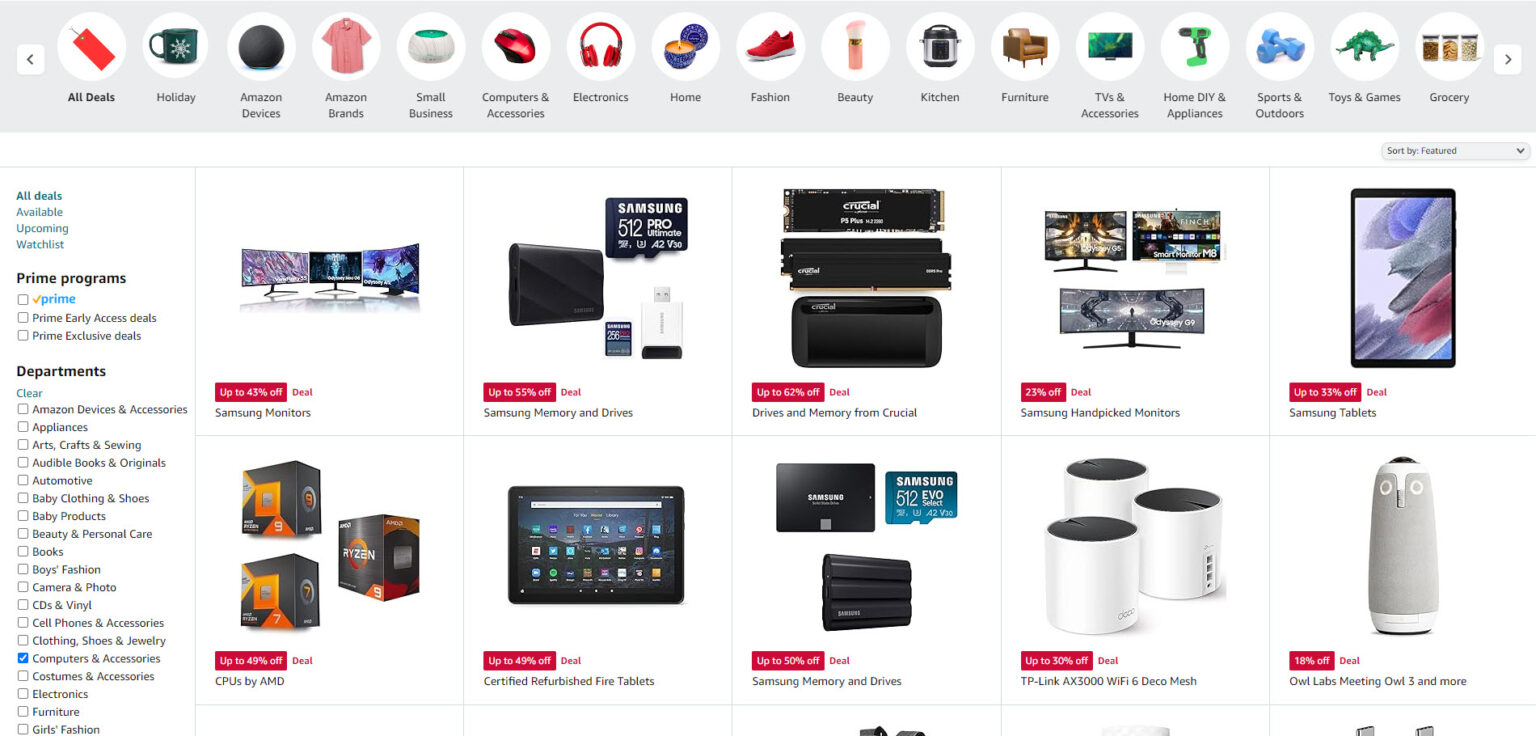
Amazon Affiliate Program: A Massive Guide to Successful Earnings ...

Sustaining a thriving affiliate business requires more than just finding popular products. A robust online presence, coupled with strong customer relationships and meticulous performance tracking, are crucial for long-term success. This section delves into the strategies for maintaining a professional image, building trust, handling customer interactions, and effectively monitoring your affiliate performance.

Maintaining a Professional Online Presence

A polished online presence is paramount in affiliate marketing. This involves presenting a consistent brand image across all platforms. This encompasses everything from a well-designed website to active engagement on social media. A professional website, with clear navigation and engaging content, builds credibility and attracts potential customers. Regularly updated social media profiles and posts, relevant to the niche, foster a sense of community and maintain visibility.

This multifaceted approach fosters trust and positions the affiliate as a reliable source of information.

Building Trust and Credibility

Building trust and credibility is essential for driving sales and fostering long-term customer relationships. Transparency and honesty are key elements. Clearly disclose any affiliations or potential conflicts of interest. Authenticity in reviews and product recommendations resonates with potential customers. Providing valuable, helpful content that goes beyond mere product promotion demonstrates expertise and builds trust.

Thorough research and in-depth product knowledge enhance the credibility of the affiliate, positioning them as a reliable resource.

Handling Customer Inquiries and Feedback

Effective communication is critical for managing customer inquiries and feedback. Prompt and courteous responses to customer questions and concerns foster positive experiences. Providing comprehensive answers and addressing issues promptly builds trust and reduces negative feedback. Actively seeking and incorporating customer feedback allows for continuous improvement of the affiliate’s approach and service. Implementing a system for tracking and responding to customer queries, such as email or a dedicated customer service forum, ensures prompt and efficient communication.

Tracking Affiliate Performance and Making Adjustments

Monitoring affiliate performance is essential for optimizing strategies and maximizing revenue. Regularly tracking key metrics, such as click-through rates, conversion rates, and revenue generated, provides valuable insights into what’s working and what needs adjustment. Analysis of these metrics helps identify areas for improvement and allows for the implementation of targeted strategies. Adjustments to content, product selection, or promotional methods can significantly improve performance.

Utilizing analytical tools and data dashboards helps visualize trends and patterns, enabling data-driven decisions.

Key Metrics for Evaluating Affiliate Success

Regular evaluation of key metrics is essential for understanding the effectiveness of affiliate marketing efforts. A well-defined set of metrics provides a framework for evaluating progress and making informed decisions.

Metric Description Significance
Click-Through Rate (CTR) The percentage of people who click on an affiliate link after viewing it. Indicates the effectiveness of the affiliate’s promotional content and the appeal of the links.
Conversion Rate The percentage of visitors who make a purchase after clicking on an affiliate link. Measures the effectiveness of the affiliate in driving sales.
Average Order Value (AOV) The average amount spent per purchase by customers directed through the affiliate link. Provides insights into the profitability of different promotional strategies.
Customer Acquisition Cost (CAC) The cost incurred to acquire a new customer through affiliate marketing. Helps evaluate the return on investment (ROI) of affiliate marketing efforts.
Return on Investment (ROI) The percentage of profit generated compared to the cost invested in affiliate marketing. Crucial metric for assessing the overall profitability and success of the strategy.

Case Studies and Examples

Understanding the success of Amazon affiliate marketing often involves examining real-world examples. Studying successful campaigns provides valuable insights into strategies, challenges, and effective solutions. This section delves into case studies, highlighting successful affiliate marketers, their strategies, and the hurdles they overcame. This practical approach allows for a deeper understanding of the actionable steps necessary for building a thriving affiliate business.

Successful Amazon Affiliate Marketers

Several individuals and businesses have built substantial incomes through Amazon affiliate marketing. Key characteristics of successful affiliates often include a deep understanding of their target audience, high-quality content creation, and consistent engagement. Their success demonstrates that with dedication and strategic planning, a profitable affiliate venture is achievable.

Strategies Used by Successful Affiliates

Successful Amazon affiliate marketers leverage a diverse range of strategies to drive traffic and conversions. These include content marketing, social media promotion, and email marketing, among others. Analyzing their approaches reveals a consistent pattern of optimizing for specific niches, producing valuable content, and cultivating a loyal audience.

  • Content Marketing: Creating valuable, informative content (e.g., blog posts, articles, videos) relevant to a specific niche allows for establishing credibility and attracting organic traffic. High-quality content can lead to increased engagement and ultimately, more sales conversions.
  • Social Media Promotion: Utilizing social media platforms (e.g., Instagram, Facebook, Pinterest) to promote affiliate links and products is crucial for reaching a wider audience. Effective strategies include engaging with followers, sharing visually appealing content, and running targeted advertising campaigns.
  • Email Marketing: Building an email list allows for direct communication with potential customers. This enables sending targeted promotional emails, product updates, and exclusive offers to cultivate customer loyalty and drive conversions.
  • Influencer Marketing: Partnering with influencers in a specific niche can expose products to a wider audience. Influencers can leverage their established credibility and engagement to promote affiliate products effectively.

Detailed Case Studies of Successful Campaigns

Specific examples illustrate how these strategies work in practice. For example, a successful blog focusing on sustainable living could generate affiliate income by promoting eco-friendly products from Amazon. This detailed content, alongside strong practices, creates a reliable source of targeted traffic for affiliate links. The consistency and quality of this approach leads to a sustainable income stream.

Challenges Faced by Affiliate Marketers and Their Solutions

Affiliate marketing, like any business model, faces challenges. A common hurdle is maintaining consistent engagement and producing high-quality content. Addressing this involves setting realistic goals, creating a content calendar, and utilizing tools to track progress.

  • Competition: The Amazon affiliate program is competitive. Maintaining a unique brand and creating compelling content is key. This can be addressed by focusing on a specific niche, providing in-depth product reviews, and building a dedicated audience.
  • Maintaining Engagement: Maintaining consistent content creation and engagement is crucial for sustained success. Implementing a content calendar and leveraging social media can help address this challenge.
  • Tracking and Measuring Results: Monitoring affiliate performance is vital. Utilizing analytics tools can provide insights into what’s working and what needs improvement.

Successful Affiliate Marketing Strategies

Successful affiliate marketing involves a combination of strategies. These strategies can be categorized and implemented to optimize for conversions and profitability.

  • Niche Selection: Choosing a specific niche allows for focused content creation and targeting, which can be a highly effective strategy for generating consistent revenue.
  • High-Quality Content: Creating valuable, informative, and engaging content is crucial for attracting and retaining a loyal audience. This attracts potential customers and builds trust.
  • Building Relationships: Cultivating relationships with potential customers through social media and email marketing can drive conversions and build brand loyalty.

Outcome Summary

In conclusion, navigating the Amazon Affiliate Program effectively involves a multi-faceted approach. From product selection to content creation and traffic generation, this guide equips you with the tools and strategies to build a thriving affiliate business. Remember to continuously track your performance, adapt to changes, and stay informed about the latest trends in affiliate marketing.

FAQ Resource

What are the key benefits of joining the Amazon Affiliate Program?

Joining the Amazon Affiliate Program opens doors to earning commissions on sales generated from your recommendations. It’s a low-barrier entry point for content creators, allowing them to monetize their existing audiences.

How do I research high-demand products for affiliate marketing?

Utilize Amazon’s best-selling lists, analyze trending products, and leverage tools designed for market research to identify products with strong sales potential and good commission rates.

What are some common mistakes to avoid when choosing products for affiliate marketing?

Avoid products with low commission rates, highly competitive niches, or limited demand. Conduct thorough research to ensure the product aligns with your audience and offers sufficient earning potential.

What is the role of in driving traffic to affiliate links?

Optimizing your content for relevant s improves its visibility in search engine results. This increased visibility drives more organic traffic to your affiliate links, boosting your earning potential.


Unveiling the world of affiliate marketing, this guide delves into finding the optimal affiliate programs for your needs. Choosing the right program can significantly impact your earnings and overall success. From understanding the basics to evaluating top programs and building a winning strategy, we’ll cover everything you need to know.

This exploration will walk you through the crucial aspects of affiliate marketing, highlighting key considerations like program types, commission structures, and performance metrics. We’ll also dive into specific examples, like the Amazon Associates program, and provide practical advice for building a successful affiliate marketing campaign.

Introduction to Affiliate Marketing

Affiliate marketing is a performance-based marketing strategy where a business rewards one or more affiliates for each visitor or customer brought about by the affiliate’s marketing efforts. Essentially, it’s a win-win situation: businesses gain exposure and sales, and affiliates earn commissions based on their success in driving traffic and conversions. This system hinges on the affiliate promoting a product or service through their unique link, and getting paid when a sale is made through that specific link.This system is widely used across various industries, enabling both established businesses and emerging startups to reach wider audiences.

It allows affiliates to leverage their existing audience or platform, while businesses benefit from a cost-effective and targeted advertising approach. The potential for high earning is substantial for successful affiliates, but consistent effort and proper strategies are required.

Affiliate Program Mechanics

Affiliate programs operate on a commission structure. Affiliates receive a predetermined percentage of the sale price for each customer they refer. This commission is the primary incentive for participation. For example, an affiliate might receive 10% of the sale price for each customer they send to a specific online store. These commissions can vary widely depending on the product, the program, and the affiliate’s performance.

Crucially, the affiliate’s unique link tracks the referred customer, enabling accurate commission calculation.

Different Types of Affiliate Programs

Various affiliate program types cater to diverse business models and affiliate needs. Some common types include:

  • Product-based programs: These programs center around the sale of physical or digital products, like books, software, or e-learning courses. The affiliate earns a commission for each sale generated through their unique link.
  • Service-based programs: These programs involve promoting services such as web hosting, design services, or financial products. Similar to product-based programs, affiliates receive commissions based on service sign-ups or sales.
  • Lead-based programs: These programs compensate affiliates for generating qualified leads for a business. For instance, an affiliate may earn a commission for each lead generated for a software company that requires a free trial.

Key Elements of a Successful Affiliate Program

A successful affiliate program relies on several key elements, which directly impact the affiliate’s success and the business’s profitability.

  • Attractive Commission Structure: A competitive commission structure is a primary motivator for potential affiliates. A high commission percentage or tiered commission levels often attract a larger pool of affiliates.
  • Effective Tracking Mechanisms: A robust tracking system ensures accurate commission payouts and identifies the affiliates responsible for conversions. This system is crucial for both the affiliate and the business.
  • Comprehensive Affiliate Resources: Resources such as marketing materials, training, and support enhance affiliate performance. This includes banners, promotional copy, and ongoing guidance.

Comparison of Affiliate Program Types

Program Type Description Key Benefit for Affiliate Key Benefit for Business
Product-Based Promoting physical or digital products Commission on sales Increased product visibility
Service-Based Promoting services Commission on service sign-ups/sales Targeted lead generation
Lead-Based Generating qualified leads Commission per lead Improved lead conversion rates

Identifying Top Affiliate Programs

Affiliate marketing success hinges on choosing the right affiliate programs. Careful consideration of various factors, including commission structure and target audience, is crucial for maximizing returns. Identifying high-performing programs within a chosen niche is essential for building a profitable affiliate business.Selecting the right affiliate program involves a deep dive into different niches and programs. Understanding the nuances of each program, such as the commission structure and payment terms, is vital for making informed decisions.

This section details key considerations and showcases some reputable programs in various niches.

Prominent Affiliate Programs Across Niches

Different niches offer a diverse range of affiliate programs. Recognizing top-performing programs in specific industries is key to leveraging potential. Technology, fashion, and finance are examples of sectors with established affiliate programs.

Factors to Consider When Selecting an Affiliate Program

Several key factors influence the success of an affiliate program. Understanding these factors is crucial for selecting the most suitable program. Commission structure, payment terms, and the program’s target audience are all critical considerations.

  • Commission Structure: This involves the percentage or fixed amount an affiliate earns for each sale generated through their unique affiliate link. High commission rates are generally preferable, but other factors such as the number of sales required to meet a threshold or the program’s commission tiers should be considered.
  • Payment Terms: The regularity and method of payment are important. Some programs pay weekly, monthly, or on a specified sales volume. A clear and timely payment schedule is a strong indicator of a reputable program.
  • Customer Base: The size and demographics of the program’s customer base are important. A large and engaged customer base suggests potential for substantial sales and revenue for the affiliate marketer. This will impact your potential reach and the sales you can generate.

Examples of Well-Regarded Affiliate Programs

Many reputable affiliate programs exist across various sectors. These programs often offer high commission rates, streamlined processes, and substantial customer bases. Amazon Associates, ShareASale, and CJ Affiliate are frequently cited as well-regarded examples.

Comparison of Commission Structures

Comparing commission structures among different affiliate programs provides insight into potential earnings. The structure of commission rates varies, impacting the potential income for affiliates.

  • Program A: Offers a tiered commission structure. The commission rate increases as the sale volume escalates. This incentivizes affiliates to drive significant sales.
  • Program B: Employs a flat commission rate for all sales. This is straightforward but might not incentivize high-volume sales as effectively.
  • Program C: A commission-per-sale model. A set amount is paid for each successful sale. This structure provides a clear and consistent income stream, but might have a lower earning potential compared to the tiered model in Program A.

Benefits and Drawbacks of Each Program

Each program has unique characteristics, resulting in varying benefits and drawbacks.

  • Program A: The tiered commission structure can lead to higher earnings for high-volume sellers, but requires significant effort to achieve those higher tiers. This can result in inconsistent earnings.
  • Program B: A flat rate is easy to understand and manage, but the potential for earnings is capped, potentially limiting overall income.
  • Program C: The fixed commission per sale offers a steady income stream, but the commission amount per sale might be lower compared to other structures, leading to a potentially slower income growth.

Comparison of Commission Rates in E-commerce

The table below presents a comparison of commission rates for five e-commerce affiliate programs. Note that rates can vary based on product categories and other factors.

Affiliate Program Commission Rate (Example) Payment Terms Customer Base Strengths Weaknesses
Program 1 5-10% Monthly Large High potential earnings, established platform Competition might be high
Program 2 8% Weekly Medium Good balance of commission and payment frequency Customer base might be smaller
Program 3 7% Monthly Large Established platform with high visibility Commission rates might be lower than competitors
Program 4 6% Bi-weekly Small Potentially niche market Limited customer base, potentially less visibility
Program 5 10% Monthly Medium High commission rate Payment terms might be less frequent

Amazon Affiliate Program

The Amazon Associates program is a widely popular affiliate marketing platform that allows individuals to earn commissions by promoting Amazon products. Its extensive product catalog and massive customer base provide a wealth of opportunities for affiliates. This program has proven its value over time, attracting both seasoned marketers and beginners alike.

Amazon Associates Program Description

The Amazon Associates program is a performance-based affiliate program where publishers (affiliates) earn a commission for every sale generated through their unique affiliate links. This means that whenever a customer purchases a product on Amazon using an affiliate link, the affiliate receives a pre-determined percentage of the sale price. Amazon’s vast product selection, coupled with its global reach, makes it a highly attractive option for affiliates looking to monetize their online presence.

How the Amazon Affiliate Program Works

Affiliates sign up for the program, receive a unique affiliate ID, and create links to specific Amazon products. These links track the referral. When a customer clicks the link and makes a purchase, Amazon automatically credits the affiliate with a commission. The commission structure varies depending on the product and category. The process is straightforward and automated, simplifying the affiliate’s task.

Benefits of Joining the Amazon Associates Program

  • Extensive Product Selection: Amazon’s vast product catalog provides affiliates with a wide array of choices to promote, catering to diverse interests and niches. This breadth of options allows affiliates to target specific audiences effectively.
  • Global Reach: Amazon’s global presence means affiliates can potentially reach a wider audience compared to programs with a more limited reach. This expands the potential customer base for affiliates.
  • Established Trust and Brand Recognition: Amazon’s established brand and customer trust provide a significant advantage for affiliates. This inherent trust can positively influence consumer purchasing decisions.
  • Automated Tracking and Payment: Amazon handles the tracking and payment process efficiently, streamlining the affiliate’s workflow. This reduces the administrative burden associated with managing affiliate sales.

Drawbacks of Joining the Amazon Associates Program

  • High Competition: The immense popularity of the program leads to significant competition among affiliates, making it challenging to stand out and attract customers.
  • Commission Rates: Commission rates can be relatively low for some products, potentially impacting the overall profitability of the affiliate marketing strategy.
  • Dependence on Amazon’s Policies: Amazon’s policies and algorithms can change, affecting the affiliate’s ability to promote products effectively.
  • Potential for Product Returns: If customers return products purchased through affiliate links, the affiliate’s commission might be affected.

Creating an Amazon Affiliate Account

  1. Register: Visit the Amazon Associates program page and register for an account. Provide necessary details like your website URL and other information.
  2. Verification: Amazon verifies the website to ensure compliance with program guidelines.
  3. Link Creation: Create links for products that align with your website’s content and target audience.
  4. Promotion: Promote the products effectively on your website and other platforms.

Effective Promotion Strategies for Amazon Products

  • Content Marketing: Creating high-quality content related to products is a powerful way to drive traffic and conversions. For example, a blog post reviewing a specific product category can attract relevant customers.
  • Social Media Marketing: Leveraging social media platforms to promote products can reach a wider audience and increase brand visibility.
  • Email Marketing: Building an email list allows for targeted communication and promotions about new products or sales, driving conversions.

Key Metrics for Measuring Success in the Amazon Associates Program

Tracking key metrics like click-through rates, conversion rates, and commission earnings is crucial for assessing program performance. Analyzing these metrics helps affiliates understand which products are performing well and which need improvement.

Amazon Associates vs. Walmart Affiliate Program

Feature Amazon Associates Walmart Affiliate Program
Product Selection Vast, encompassing various categories Significant, but potentially less diverse than Amazon
Global Reach Extensive, reaching international markets Strong, but might be limited to specific regions
Commission Rates Variable, depending on product and category Variable, but often comparable to Amazon
Program Structure Well-established, automated system Generally well-structured, but potentially less mature

Evaluating Affiliate Program Performance

Understanding the performance of your affiliate marketing campaigns is crucial for success. It allows you to identify what’s working, what’s not, and how to optimize for better results. This crucial step helps you make data-driven decisions and improve your overall ROI.Thorough analysis of affiliate program performance data is vital for identifying trends, pinpointing areas for improvement, and ultimately maximizing the return on your investment.

Regular tracking and analysis enable you to fine-tune your strategies and optimize your campaigns for better conversion rates and increased revenue.

Key Performance Indicators (KPIs)

Analyzing affiliate program performance hinges on monitoring key metrics. These KPIs provide valuable insights into the effectiveness of your campaigns and help you make informed decisions. Effective monitoring allows for a precise evaluation of campaign performance and aids in the identification of potential issues or areas needing improvement.

  • Conversion Rate: This metric measures the percentage of visitors who complete a desired action, such as making a purchase or signing up for a newsletter. High conversion rates indicate a successful campaign, while low rates signal potential problems that need to be addressed.
  • Click-Through Rate (CTR): CTR represents the percentage of people who click on an affiliate link after seeing it. A higher CTR indicates that your affiliate marketing materials are engaging and effective in attracting clicks.
  • Cost Per Acquisition (CPA): This crucial metric calculates the average cost of acquiring a customer through your affiliate marketing campaign. A lower CPA signifies greater efficiency and a more cost-effective approach.
  • Average Order Value (AOV): This metric represents the average amount spent by a customer during a purchase. A higher AOV translates to a more profitable campaign, as it signifies that customers are purchasing more valuable products or services.
  • Customer Lifetime Value (CLTV): CLTV estimates the total revenue a customer will generate throughout their relationship with your business. This metric is essential for assessing the long-term profitability of your affiliate marketing efforts.

Tracking and Analyzing Data

Tracking and analyzing affiliate marketing data is paramount for optimizing your campaigns. Effective tracking provides a clear picture of campaign performance and helps in pinpointing opportunities for improvement.

  • Utilize Tracking Tools: Employ specialized affiliate marketing tracking tools to monitor campaign performance accurately. These tools provide detailed insights into key metrics, allowing for data-driven decision-making. Tracking tools offer a wealth of data to help understand campaign performance and make informed adjustments.
  • Regular Reporting: Establish a routine for generating performance reports. Regular reports help you identify trends and patterns in your data. Regular reporting is essential for tracking progress, identifying issues, and making data-driven adjustments to your affiliate marketing campaigns.
  • Data Interpretation: Learn to interpret the data generated by your tracking tools. Identify trends, correlations, and potential issues. Interpreting the data allows you to understand what’s working, what’s not, and how to optimize your campaigns.

Optimizing Campaigns Based on Data

Optimizing your affiliate marketing campaigns using performance data is essential for maximizing returns. Adapting strategies based on performance data allows you to continuously improve and enhance the efficiency of your campaigns.

  • A/B Testing: Experiment with different variations of your affiliate marketing materials (e.g., ad copy, landing pages) to identify what resonates best with your target audience. A/B testing is a powerful technique for optimizing your campaigns by identifying the most effective variations.
  • Adjusting Targeting: Analyze your data to understand which customer segments are most responsive to your affiliate marketing efforts. Adjust your targeting strategies to focus on high-performing segments and optimize your campaign to reach the right audience.
  • Improving Affiliate Relationships: Identify high-performing affiliates and foster stronger relationships with them. Stronger relationships often lead to better results and increased collaboration. Nurturing strong relationships can result in enhanced performance and increased revenue.

Examples of Tracking Tools

Several tools are available to track and analyze affiliate program performance. These tools assist in monitoring key metrics, allowing for informed decisions and optimized campaigns.

  • ClickMagick: A robust platform for tracking affiliate links and campaign performance.
  • Affilinet: Provides comprehensive reporting and analysis tools for affiliate programs.
  • Impact: Offers a comprehensive platform for managing and tracking affiliate programs.

Common Affiliate Marketing Metrics

Metric Significance
Conversion Rate Percentage of visitors who complete a desired action.
Click-Through Rate (CTR) Percentage of people who click on an affiliate link.
Cost Per Acquisition (CPA) Average cost of acquiring a customer.
Average Order Value (AOV) Average amount spent per customer.
Customer Lifetime Value (CLTV) Estimated revenue a customer will generate.

Building a Successful Affiliate Marketing Strategy

Affiliate marketing success hinges on more than just joining a program. A well-defined strategy, coupled with consistent effort, is crucial for generating meaningful income. This involves understanding your audience, crafting compelling content, and building lasting relationships. Niche selection, audience building, and content creation are all vital components.Effective affiliate marketing is a multifaceted approach requiring careful planning and execution.

It’s not just about placing links; it’s about establishing credibility and trust with potential customers. This strategy involves building an audience, providing valuable content, and ultimately driving conversions.

Niche Selection

Selecting a niche is paramount in affiliate marketing. A well-defined niche allows for targeted marketing efforts, focused content creation, and a more engaged audience. Focusing on a specific area ensures your content resonates with a particular group, increasing the likelihood of conversions. Choosing a niche you’re passionate about is key to long-term success. This passion will translate into more engaging and informative content.

Audience Building and Traffic Generation

Attracting and retaining a loyal audience is fundamental. Methods include creating valuable content through blogging, social media engagement, email marketing, and search engine optimization (). This creates a pipeline of interested individuals who are more likely to click on your affiliate links. Building an email list allows for direct communication and nurturing of leads. Social media platforms offer a wide reach to potential customers.

Content Creation for Promotion

Engaging content is essential to drive traffic and promote affiliate products effectively. This involves producing high-quality articles, videos, or other media that provide valuable information to your target audience. Focus on providing solutions to their problems or addressing their needs. This builds trust and establishes your authority in the niche. Content should be well-researched and tailored to your specific niche.

Creating an informative, yet engaging, style of writing will help capture the attention of your audience.

Relationship Building

Building relationships with potential customers is vital. Responding to comments, engaging in discussions, and creating a sense of community around your content can foster trust and loyalty. This approach goes beyond simply promoting products; it establishes you as a valuable resource in your niche. Regular interaction with your audience, whether through comments or social media, demonstrates genuine interest in their needs.

Example Content Marketing Strategy

An affiliate marketer focusing on sustainable living could create a blog with articles on eco-friendly cleaning products. The content could detail the benefits of each product, compare various brands, and include personal experiences. This blog could also feature social media posts, promoting relevant products and encouraging engagement with the audience. Building an email list allows for the dissemination of special offers, new product announcements, and exclusive content to a dedicated customer base.

Key Steps in Creating a Compelling Affiliate Marketing Campaign

  • Thoroughly research and identify a profitable niche. Consider market trends and competitor analysis. This is crucial for long-term success.
  • Develop a comprehensive content calendar to ensure consistent and valuable content delivery. Planning and organization are key to maintaining engagement.
  • Create high-quality, engaging content relevant to your chosen niche. This includes articles, videos, infographics, and other media formats.
  • Optimize content for search engines () to attract organic traffic to your affiliate links. Understanding best practices can dramatically increase visibility.
  • Actively promote your content across various platforms, including social media and email marketing. Building a presence on these platforms is essential for driving traffic.
  • Monitor the performance of your affiliate links and adjust your strategy accordingly. Tracking key metrics is essential for determining what works and what doesn’t.
  • Build relationships with your audience through consistent engagement and responsive communication. Building a loyal audience through genuine interaction is paramount.

Legal Considerations and Best Practices

50+ of the Best Affiliate Programs That Pay the Highest Commission

Affiliate marketing, while offering lucrative opportunities, necessitates a strong understanding of legal regulations and ethical considerations. Navigating these aspects is crucial for maintaining a reputable online presence and avoiding potential legal issues. Adherence to legal frameworks and ethical best practices is essential for building trust with customers and ensuring long-term success.Understanding the legal landscape of affiliate marketing is paramount.

This involves recognizing disclosure requirements, ethical practices, and potential pitfalls. Compliance with legal guidelines is not just a matter of avoiding penalties but also a cornerstone of building a sustainable and trustworthy affiliate marketing business.

Disclosure Requirements

Accurate and transparent disclosure of affiliate relationships is critical. This builds trust with consumers and avoids misrepresentation. Failure to disclose can lead to legal repercussions and damage a brand’s reputation. Clear and conspicuous disclosure is vital for maintaining ethical standards and legal compliance.

Affiliate Relationship Type Disclosure Requirements
Product Reviews Clearly state the affiliate relationship in the review, using phrases like “This is a sponsored post” or “As an affiliate, I earn a commission on purchases made through this link.”
Social Media Promotion Use clear and visible links that disclose the affiliate relationship.
Blog Posts Disclose the affiliate relationship prominently within the blog post, ideally in the introduction or conclusion, or clearly marked within the relevant text.
Influencer Marketing Be upfront about the affiliate relationship, whether in posts, videos, or stories, using language that makes it obvious to the viewer.

Ethical Best Practices

Maintaining ethical standards is crucial for building a successful and sustainable affiliate marketing career. Honesty and transparency are paramount. Avoid misleading claims or exaggerating the benefits of products or services. Promoting only products that align with your values and beliefs fosters credibility and enhances the customer experience.

  • Transparency: Always disclose your affiliate relationships, avoiding any misleading or deceptive practices.
  • Objectivity: Present honest and unbiased reviews, avoiding exaggeration or misrepresentation. Focus on the product’s actual merits.
  • Honesty: Be upfront about your motivations, and avoid exploiting any vulnerabilities or misinterpretations.
  • Respect: Avoid targeting or disparaging competitors. Respect the integrity of all parties involved.

Potential Legal Issues

Affiliate marketers may face legal issues related to misrepresentation, deceptive advertising, and failure to comply with disclosure regulations. It’s crucial to understand the specific regulations in your jurisdiction. Examples include misleading reviews, unsubstantiated claims, and non-disclosure of affiliate relationships.

Legal Guidelines

Adhering to legal guidelines is essential for avoiding potential legal issues. Familiarize yourself with consumer protection laws, advertising regulations, and any specific guidelines related to affiliate marketing in your region. These guidelines protect both consumers and businesses.

  • Federal Trade Commission (FTC) guidelines: The FTC regulates advertising and marketing practices, including affiliate marketing. Adhering to FTC guidelines is crucial for avoiding legal trouble.
  • State-specific regulations: Some states have specific regulations governing affiliate marketing. It is important to research any state-level regulations.
  • Contractual agreements: Ensure that any contracts or agreements with brands or companies clearly Artikel your responsibilities and obligations.
  • Intellectual property rights: Respect the intellectual property rights of others, including trademarks and copyrights.

Last Recap

In conclusion, navigating the affiliate landscape requires careful consideration of various factors, from program selection to performance tracking. This guide has provided a comprehensive overview of the best affiliate programs, enabling you to make informed decisions and develop a winning strategy. Remember to prioritize niche selection, audience building, and ethical practices to maximize your potential for success.

Key Questions Answered

What are the key factors to consider when choosing an affiliate program?

Key factors include commission structure, payment terms, customer base alignment, and program reputation. Look for programs offering competitive commissions, timely payments, and a customer base that aligns with your niche.

How do I track the performance of my affiliate marketing campaigns?

Tracking tools like Google Analytics and affiliate marketing platforms provide crucial data on click-through rates, conversion rates, and overall campaign performance. Analyze this data to identify areas for improvement and optimize your strategies.

What are some common pitfalls to avoid in affiliate marketing?

Avoid misleading or deceptive practices, prioritize ethical content creation, and ensure full disclosure of affiliate relationships to maintain credibility and avoid legal issues.

What is the difference between high-commission and low-commission affiliate programs?

High-commission programs typically offer larger payouts but may have stricter requirements or smaller customer bases. Low-commission programs are often more accessible but may require a higher volume of sales to reach comparable earnings.

High-commission affiliate programs in the USA offer lucrative opportunities for online entrepreneurs. These programs allow individuals to earn substantial income by promoting products or services, without needing to handle inventory or customer service. The key is understanding the nuances of different programs and niches, and mastering effective marketing strategies.

This comprehensive guide dives deep into the world of high-commission affiliate marketing in the USA. We’ll explore top niches, evaluate affiliate networks, and analyze successful strategies to help you navigate the path to building a sustainable affiliate business. We’ll also cover crucial legal aspects and essential tools.

Introduction to High Commission Affiliate Programs in the USA

High-commission affiliate programs in the USA are a popular way for individuals and businesses to earn substantial income by promoting products or services. These programs often offer lucrative compensation structures, enabling affiliates to generate significant revenue through successful marketing efforts. This approach provides a flexible income stream, allowing affiliates to work independently and potentially earn substantial commissions based on their performance.High-commission affiliate programs stand out by offering attractive compensation packages, often exceeding the commissions found in standard affiliate marketing programs.

The key benefit is the potential for substantial earnings, directly tied to the affiliate’s performance in driving sales or generating leads. These programs often attract ambitious individuals and businesses seeking a high-return, performance-based revenue model.

Commission Structures for High-Commission Programs

High-commission affiliate programs employ various commission structures, each designed to incentivize affiliates and drive sales. Understanding these structures is crucial for maximizing earning potential. These structures often include a base commission rate, tiered commissions based on sales volume, or performance-based bonuses.

Typical Commission Structures

A common commission structure involves a tiered system. For example, a program might offer a 10% commission on the first $10,000 in sales, increasing to 15% on the next $10,000, and 20% on sales above $20,000. This approach rewards consistent sales growth. Some programs utilize a flat commission rate for all sales. Others implement a progressive commission structure where the rate increases with each sale milestone reached.

Commission structures can vary significantly depending on the product, service, and the affiliate’s role.

Comparison of Commission Structures Across Niches

The commission structure varies significantly depending on the industry or niche. For instance, programs in the high-tech sector may use a tiered structure with substantial bonuses for exceeding sales targets. Conversely, programs in the beauty or fashion industry might focus on recurring commission models based on sales of subscriptions or ongoing services.

Niche Typical Commission Structure Example
High-Tech (Software) Tiered commission with bonuses for exceeding sales targets 10% on first $10,000, 15% on next $10,000, 20% on sales above $20,000. Bonuses for exceeding monthly sales goals.
E-commerce (Fashion) Flat commission rate or tiered structure based on order value 10% commission on each sale regardless of order value. Higher commission for subscriptions or recurring sales.
Financial Services Performance-based commissions or tiered commissions linked to sales volume Commission rate increases as sales increase, with bonus incentives for meeting or exceeding targets for securing new clients or generating leads.
Education Commission per enrolled student or course completion Commission structure varies depending on the program. May include tiered commission rates for multiple student enrollments.

Identifying Top Niches for High Commissions

High-commission affiliate programs often center around lucrative niches. Understanding the factors driving high commission potential within these niches is key to maximizing earnings. This section delves into several such niches, outlining the drivers of their high commission structures and providing examples of successful affiliate programs.Identifying high-commission niches requires a combination of market analysis, understanding consumer behavior, and recognizing products or services with high perceived value.

The potential for high commissions stems from factors such as high product prices, high customer lifetime value, or significant recurring revenue streams. Affiliate programs often reward affiliates for driving sales or conversions that generate substantial revenue.

High-Commission Niches in the USA

This section highlights five high-commission niches in the USA, examining the factors driving their high earning potential and providing examples of successful programs.

  • Luxury Goods and Travel: This niche often involves high-priced items and services, such as high-end fashion, luxury watches, or premium travel experiences. The high cost of these products, coupled with their often-exclusive nature, leads to significant commissions for successful affiliates. This is often driven by the substantial value proposition of the products and the high lifetime value of customers.

    Affiliates benefit from attractive commission structures and the ability to connect luxury brands with discerning consumers. Examples of successful programs in this niche include those associated with high-end fashion brands and luxury travel companies.

  • Financial Services (e.g., Investment Platforms): Financial services often boast high commission potential due to the significant transaction amounts involved. Investors who are successful in guiding customers towards profitable investment strategies can earn substantial commissions on trades or managed portfolios. High commissions are possible because of the significant financial value that customers gain from these services. This is exemplified by many investment platforms and brokerages offering attractive commission structures for affiliates who can bring in new clients.

    Successful affiliate programs in this niche include those affiliated with reputable investment platforms and brokerage firms.

  • Online Education and Courses: The online education sector is booming, and many platforms offer substantial commissions on course sales or membership enrollments. The value of educational content often leads to high lifetime value for students. This, combined with the high demand for educational resources, creates a strong environment for high-commission affiliate programs. Examples of successful programs include those affiliated with online universities, professional development platforms, or specialized online courses.

  • Health and Wellness Products (e.g., Supplements): The health and wellness market is substantial, and high-quality supplements, fitness equipment, or personal training programs can have high profit margins. These products are often purchased with a significant perceived value and lead to high commissions for successful affiliates who promote them effectively. Affiliates who effectively reach the target market and promote these products often earn substantial commissions.

    Examples of successful affiliate programs in this niche include those affiliated with well-known supplement brands and fitness equipment retailers.

  • Real Estate Investment and Property Management: The real estate market involves substantial transaction values. Affiliates who successfully guide clients through the process of buying or selling properties can earn substantial commissions on the final transaction value. This is an area where the value of the services provided is directly linked to the value of the real estate transaction. Affiliate programs linked to real estate investment platforms or property management companies offer significant earning potential for successful affiliates.

Table of Top Affiliate Programs

This table provides a snapshot of some prominent affiliate programs within the aforementioned niches. This is not an exhaustive list, but rather a selection of programs frequently mentioned and recognized for their potential.

Niche Affiliate Program Example Commission Structure
Luxury Goods Net-a-Porter Variable, often tiered based on sales volume
Financial Services Vanguard Per-transaction or percentage-based
Online Education Udemy Percentage-based on course sales
Health & Wellness Nutrisystem Percentage-based on product sales
Real Estate Zillow Variable, based on transaction value

Evaluating Affiliate Network Platforms

50+ Best Affiliate Programs That Pay the Highest Commission (2025)

Affiliate networks are crucial intermediaries in high-commission affiliate programs. They connect affiliates with merchants, providing access to a wider range of potential income streams. Choosing the right network can significantly impact an affiliate’s success by offering appropriate programs and resources.Selecting an affiliate network is a strategic decision. It involves careful consideration of factors such as commission structures, merchant quality, and the network’s overall support.

Different networks cater to diverse niches and offer varying levels of benefits to their affiliates.

Role of Affiliate Networks in High-Commission Programs

Affiliate networks act as the bridge between affiliates and merchants. They provide the infrastructure to manage relationships, track performance, and facilitate payment processes. High-commission programs often rely on networks to aggregate and present a diverse portfolio of merchants offering these incentives. This streamlined approach reduces the administrative burden on affiliates and focuses their efforts on promoting the best-suited products.

A well-chosen network can significantly amplify an affiliate’s earning potential.

Comparison of Popular Affiliate Networks

Several prominent affiliate networks facilitate high-commission programs. These networks vary in their approach to merchant selection, affiliate support, and commission structures. A thorough comparison is crucial for identifying the optimal fit for individual affiliate needs.

Advantages and Disadvantages of Different Networks

Each affiliate network possesses unique strengths and weaknesses. Advantages might include specialized niches, generous commission rates, or comprehensive marketing resources. Conversely, disadvantages could involve limited merchant selection, restrictive terms, or inadequate customer support. Thorough research and careful evaluation of the specific features of each network are essential.

Key Features of Top Affiliate Networks

Affiliate Network Key Features Strengths Weaknesses
Network A Wide range of merchants, diverse niches, high commission potential, robust analytics tools. High commission potential, broad market coverage. Can be complex to navigate, potentially overwhelming for new affiliates.
Network B Strong focus on specific niches (e.g., health and wellness), personalized support, expert training programs. Niche-focused, personalized support, training. Limited merchant options outside the niche.
Network C Simple interface, easy onboarding process, transparent commission structure, high volume of payments. Ease of use, clear commission structure. Potentially lower commission rates compared to other networks.

This table highlights a few examples, and many other networks exist. Careful consideration of each network’s specific characteristics is vital to determine the best fit for individual affiliate strategies.

Analyzing Successful Affiliate Strategies

High-commission affiliate programs in the USA attract numerous participants, but standing out requires more than just joining a network. Understanding successful strategies, marketing techniques, and landing page optimization is crucial for maximizing earning potential. Successful affiliates leverage a combination of targeted marketing, compelling content, and a strong understanding of their chosen niche.

Common Strategies Employed by Successful Affiliates

Successful high-commission affiliates often utilize a diverse array of strategies to drive traffic and conversions. These strategies are not one-size-fits-all; the best approach depends heavily on the specific niche and the affiliate’s strengths. However, some consistent themes emerge. These affiliates focus on building trust and authority within their chosen niche, creating valuable content for their audience, and leveraging multiple marketing channels.

  • Niche Specialization: Deep understanding of a specific market segment allows for tailored content and targeted marketing efforts, increasing the relevance and impact of promotional materials.
  • High-Quality Content Creation: This includes blog posts, articles, videos, and social media content that provides value to the target audience, establishing credibility and driving organic traffic.
  • Building an Email List: Collecting email addresses allows for direct communication with potential customers, fostering relationships and driving sales through targeted promotions and newsletters.
  • Utilizing Social Media Platforms: Active engagement on platforms like Instagram, TikTok, and Facebook can increase brand awareness, generate leads, and drive traffic to affiliate offers.
  • Search Engine Optimization (): Optimizing website content and landing pages for relevant s helps drive organic traffic from search engines, leading to higher conversion rates.

Importance of Effective Marketing Strategies for Affiliates

Effective marketing strategies are essential for affiliate success. These strategies ensure that affiliate offers are exposed to the right audience and convert them into paying customers. A well-defined marketing strategy involves analyzing target audiences, identifying appropriate channels, and consistently monitoring and adapting the strategy. Failing to implement an effective marketing strategy can significantly hinder an affiliate’s ability to reach their target audience, thus decreasing conversions.

  • Targeting the Right Audience: Understanding the demographics, interests, and pain points of the ideal customer allows for creating targeted marketing campaigns, increasing conversion rates.
  • Leveraging Multiple Marketing Channels: Utilizing a combination of social media, email marketing, content marketing, and paid advertising expands reach and increases the likelihood of conversions.
  • Analyzing and Adapting Strategies: Regularly monitoring campaign performance and adapting strategies based on data insights ensures that campaigns remain effective and efficient.
  • Building Brand Authority: Creating valuable content, participating in industry discussions, and building relationships with influencers all contribute to building brand authority and trust among potential customers.

Creating High-Converting Landing Pages for Affiliate Offers

Landing pages play a critical role in the affiliate marketing process. They are the focal point for driving traffic and conversions. A well-designed landing page is crucial for capturing leads, providing necessary information, and ultimately driving sales. Effective landing pages utilize clear calls to action, concise descriptions of the offer, and compelling visuals to maximize conversion rates.

  • Clear and Concise Messaging: Clearly stating the value proposition of the product or service is essential for compelling visitors to take action.
  • Compelling Visuals: High-quality images and videos can significantly improve engagement and conversion rates.
  • Strategic Use of Calls to Action (CTAs): Explicitly guiding visitors toward desired actions (e.g., “Buy Now,” “Sign Up”) significantly increases conversions.
  • Optimizing for Mobile Devices: Ensuring a seamless experience across all devices, especially mobile, is critical to maximizing conversions.

Summary of Different Marketing Strategies

Marketing Strategy Description Key Benefits
Content Marketing Creating valuable, informative content (blog posts, articles, videos) to attract and engage target audiences. Builds brand authority, drives organic traffic, and positions the affiliate as an expert.
Social Media Marketing Utilizing social media platforms to promote affiliate offers, engage with potential customers, and build relationships. Increases brand awareness, expands reach, and generates leads.
Email Marketing Building an email list and sending targeted promotional emails to nurture leads and drive sales. Provides a direct channel to communicate with potential customers, foster relationships, and promote offers.
Paid Advertising Utilizing platforms like Google Ads or social media ads to reach a wider audience. Provides quick access to a large pool of potential customers.

Amazon Affiliate Program Comparison

The Amazon Associates program, a cornerstone of online affiliate marketing, boasts a massive reach and established infrastructure. Understanding how it stacks up against other high-commission programs is crucial for affiliate marketers seeking optimal earning potential. This comparison delves into the advantages, disadvantages, and specific product niches that thrive within the Amazon ecosystem.The Amazon affiliate program, while ubiquitous, is not a one-size-fits-all solution.

Different affiliate programs cater to varying niches and offer unique advantages. Marketers need to carefully assess their goals and target audience before choosing an affiliate program.

Advantages of the Amazon Affiliate Program

The Amazon affiliate program enjoys widespread popularity due to its extensive product catalog and user base. This provides significant reach to potential customers. The built-in infrastructure of Amazon, including search engine optimization and established customer trust, plays a crucial role in driving traffic and sales. Furthermore, the program is relatively straightforward to join and manage.

Disadvantages of the Amazon Affiliate Program

While attractive, the Amazon program isn’t without drawbacks. Competition is fierce due to its vast network of affiliates. Commission rates, while generally competitive, can sometimes fall short compared to other programs focused on specific niches. Amazon’s strict guidelines and policies can sometimes feel restrictive, and the process of earning a substantial income may take time to establish.

Product Niches and Success on Amazon

Certain product categories and niches tend to perform exceptionally well on the Amazon affiliate platform. This is largely due to the program’s vast product catalog, allowing for a wide variety of niches. High-demand items, popular consumer electronics, and specialized products often see higher conversion rates.

Amazon Affiliate Program Compared to Other Programs

Feature Amazon Affiliate Example: Niche-Specific Affiliate Program
Commission Structure Variable, based on product category and sales volume. Often tiered commission structures, with some products having lower rates. Fixed commission rate, typically higher for specific products within a narrow niche.
Requirements Relatively straightforward application process, focusing on account setup and compliance with guidelines. Often involves a more rigorous application process, possibly requiring specialized knowledge or experience in the niche.
Product Focus Vast product selection across various categories, from books and electronics to apparel and home goods. Concentrated product offerings within a particular niche, such as health and wellness, sustainable living, or luxury goods.
Customer Base Enormous, leveraging Amazon’s established customer base. More targeted customer base, typically within a specific interest group.

The table illustrates a general comparison, and specifics can vary considerably depending on the particular program.

Key Considerations for Choosing an Affiliate Program

Choosing the right affiliate program is critical for success. Beyond Amazon, other options might offer higher commission rates for specific niches. A careful assessment of personal interests, niche expertise, and desired commission structure will determine the most suitable program.

Essential Skills and Knowledge for High-Commission Affiliates

High-commission affiliate marketing requires a unique blend of skills and knowledge beyond simply promoting products. Successful affiliates understand the intricacies of their chosen niche, build trust with their audience, and utilize proven strategies to drive sales. This section delves into the critical components for thriving in this competitive landscape.Effective affiliate marketing is more than just placing links. It’s about understanding consumer needs, providing valuable content, and nurturing a relationship with your audience.

This comprehensive approach ensures sustainable success in the long run.

Required Skills for High-Commission Success

Building a successful affiliate business demands a diverse set of skills. Technical proficiency in website management, social media marketing, and content creation are essential. Furthermore, strong communication skills, including the ability to write compelling product descriptions and engage with customers, are crucial. Strong analytical abilities are necessary for understanding campaign performance and adapting strategies accordingly. Adaptability is key to navigating the constantly evolving digital landscape.

Essential Knowledge Areas

A deep understanding of the niche is fundamental to success. This includes in-depth knowledge of products, services, target audience, and market trends. Beyond the specific niche, familiarity with affiliate marketing principles, techniques, and online advertising platforms is critical. A strong grasp of legal and ethical considerations is paramount, ensuring compliance with regulations and maintaining a professional image.

Furthermore, understanding financial management and tracking metrics is critical for evaluating ROI and optimizing campaigns.

Building a Strong Online Presence

A robust online presence is the cornerstone of any successful affiliate venture. A professional website or blog serves as a central hub for sharing valuable content, engaging with visitors, and driving traffic to affiliate links. Consistent posting of high-quality content, optimized for search engines, is vital for attracting organic traffic. Utilizing social media platforms effectively to reach a wider audience, and leveraging paid advertising strategically are also crucial elements in building a strong online presence.

Examples include targeted Facebook ads, Instagram campaigns, or well-optimized Google Ads.

Developing a Loyal Audience

Building a loyal audience is paramount to long-term success. Content creation that resonates with the target audience, providing valuable information and insights, fosters trust and loyalty. Interacting with your audience through comments, social media engagement, and email marketing builds a sense of community and strengthens relationships. Consistency and authenticity are key to building a loyal following. Responding to customer inquiries promptly and addressing concerns demonstrates dedication to your audience, strengthening their trust in you.

Implementing a feedback mechanism and incorporating customer suggestions can lead to better content and improved experiences.

Legal and Ethical Considerations

Navigating the world of affiliate marketing requires a keen understanding of both the legal framework and ethical principles governing the industry. Compliance with regulations and adherence to ethical standards are crucial for building a sustainable and reputable affiliate business. Failure to do so can lead to legal repercussions and damage your reputation.Understanding the legal boundaries and ethical guidelines ensures that your activities are not only profitable but also aligned with the principles of fairness and transparency.

This section will delve into the specific legal regulations and ethical considerations associated with high-commission affiliate programs in the USA.

Legal Regulations Concerning Affiliate Marketing in the USA

Affiliate marketing in the USA isn’t governed by a single, comprehensive law. Instead, various regulations, often related to broader consumer protection laws and advertising standards, apply. These regulations are designed to safeguard consumers from misleading or deceptive practices. Key areas of concern include disclosure requirements, truth in advertising, and consumer protection laws. Failure to comply with these regulations can lead to fines, legal action, and reputational damage.

Ethical Considerations for High-Commission Affiliate Programs

Beyond legal compliance, ethical considerations are paramount in high-commission affiliate programs. Transparency, honesty, and fairness are essential elements of ethical affiliate marketing. These principles not only maintain trust with your audience but also protect your long-term success. High commissions can sometimes tempt affiliates to prioritize profits over ethical practices. However, prioritizing integrity builds a strong foundation for sustainable growth.

Examples of Ethical and Unethical Practices

Ethical practices in affiliate marketing include clearly disclosing affiliate relationships, providing accurate and unbiased product information, and avoiding deceptive tactics. Ethical affiliates focus on providing genuine value to their audience by sharing relevant and helpful content.

  • Ethical Practice Example: A fitness blogger genuinely recommends a new workout program because they’ve personally used it and found it effective. They clearly disclose their affiliate relationship with the company and the potential commission they may earn. This maintains transparency and builds trust with their audience.
  • Unethical Practice Example: An affiliate promotes a weight-loss supplement without disclosing they have a financial interest in the product or without accurately representing the product’s potential benefits. This misleading information could potentially harm consumers.
  • Ethical Practice Example: An affiliate meticulously researches and reviews a financial product before recommending it to their audience, ensuring they’re well-informed about its potential risks and benefits. This focus on accuracy builds trust with their audience.
  • Unethical Practice Example: An affiliate creates fake testimonials or exaggerates product benefits to boost sales, potentially misleading consumers and harming their reputation.

Summary of Legal Requirements for Affiliate Marketing in the USA

Legal Area Description Example of Requirement
Disclosure Requirements Affiliates must clearly and conspicuously disclose their affiliate relationship with a company or product. Including “affiliate link” or “ad” in the description of the product or service.
Truth in Advertising Advertising must be truthful and not misleading. Avoid exaggerating product benefits or making unsubstantiated claims.
Consumer Protection Laws Affiliate marketing practices must comply with broader consumer protection laws. Honesty and transparency in all product recommendations and marketing.
Federal Trade Commission (FTC) Regulations Adherence to FTC guidelines regarding endorsements and testimonials is critical. Disclosure of sponsored content and avoiding false endorsements.

Tools and Resources for High-Commission Affiliates

Successfully navigating the affiliate marketing landscape requires a robust toolkit. Beyond a comprehensive understanding of the various programs and strategies, effective tools streamline campaign management, track performance, and ultimately maximize earning potential. This section details the essential resources for high-commission affiliates.Understanding the diverse range of available tools and resources is crucial for optimizing affiliate marketing efforts. Choosing the right software and tracking mechanisms is key to success, allowing for data-driven decisions and strategic adjustments.

The following sections will Artikel essential tools, resources, and software options.

Essential Tools for Managing Affiliate Campaigns

Effective campaign management is pivotal for maximizing affiliate earnings. The right tools allow for streamlined organization, communication, and monitoring of campaigns. This includes tracking performance metrics, managing promotions, and staying organized. Key tools for these tasks are essential to success.

  • Affiliate Management Platforms: These platforms offer comprehensive solutions for managing multiple affiliate programs, tracking commissions, and generating reports. Tools like these consolidate all aspects of your affiliate campaigns, enabling efficient oversight and performance monitoring.
  • Spreadsheet Software (e.g., Google Sheets, Excel): While affiliate management platforms are powerful, spreadsheets remain valuable for customized tracking and analysis. They can be used to manually track data or to complement platform data, providing a granular view for more in-depth insights. Custom calculations and analysis are possible within spreadsheets, adding another layer to your data analysis.
  • Email Marketing Platforms (e.g., Mailchimp, Constant Contact): Effective communication is key for building relationships with potential customers and driving sales. These platforms help create and send targeted email campaigns, nurturing leads, and building loyalty among your audience.

Resources for Tracking Affiliate Performance

Tracking affiliate performance is crucial for understanding what works and what doesn’t. Detailed performance metrics allow affiliates to adapt strategies, optimize campaigns, and ultimately increase earnings.

  • Affiliate Network Dashboards: Most affiliate networks provide detailed dashboards to track key metrics like clicks, conversions, and earnings. Understanding the information on these dashboards allows for proactive adjustments to campaigns and a deeper understanding of your audience’s behavior.
  • Analytics Tools (e.g., Google Analytics): Tools like Google Analytics provide a deeper dive into website traffic, user behavior, and conversion rates. Combining this with affiliate network data provides a comprehensive picture of your marketing efforts.
  • Custom Reporting Tools: Some affiliate marketers utilize custom reporting tools to integrate data from various sources and create tailored reports. This allows for more detailed analyses, potentially uncovering hidden patterns and insights.

Software Options for Affiliate Marketing

Various software options cater to different needs and budgets within affiliate marketing. Choosing the right software depends on the scale of operations and specific requirements.

  • Dedicated Affiliate Management Software: Specialized software packages offer comprehensive tools for managing affiliate programs, tracking performance, and analyzing results. They often come with features like automated reporting, campaign management, and detailed performance metrics.
  • CRM (Customer Relationship Management) Software: A CRM can help manage customer interactions, track leads, and automate tasks. These features are helpful for building relationships with potential customers, particularly important for sustained engagement.
  • (Search Engine Optimization) Tools: Tools like SEMrush or Ahrefs can assist in research, competitor analysis, and site optimization, impacting organic search visibility and attracting relevant traffic to affiliate links.

Comparing Different Affiliate Tracking Tools

This table highlights key features and considerations when choosing affiliate tracking tools.

Tool Key Features Pricing Pros Cons
Affilinet Comprehensive affiliate management, advanced reporting Variable High-level insights, robust features Steeper learning curve
ClickMagick Intuitive interface, robust tracking Variable Easy to use, detailed reporting Limited customizability
Leadfeeder Lead tracking and analysis Variable Identifies high-potential leads Limited affiliate-specific features

Building a Sustainable Affiliate Business Model

Building a successful affiliate business requires more than just signing up for a program and hoping for the best. A sustainable model necessitates a strategic approach that considers long-term growth, diversification, and adaptation to changing market conditions. This approach allows affiliates to establish a consistent income stream and avoid the pitfalls of relying solely on fleeting trends.

Creating a Sustainable Business Model

A sustainable affiliate business model focuses on building a consistent and reliable income stream, rather than chasing quick wins. This involves careful selection of niches, the development of a strong brand identity, and the cultivation of a loyal audience. By offering value beyond just promoting products, affiliates can create lasting relationships with their audience, leading to repeat business and referrals.

Crucially, a sustainable model involves ongoing learning and adaptation to changing market trends.

Diversification Strategies for Affiliates

Diversifying income streams is crucial for resilience in the affiliate market. This involves expanding product offerings, exploring new niches, and developing supplementary income sources. Affiliates can explore affiliate programs across different product categories to mitigate risk and maximize potential returns. A well-diversified portfolio can help weather economic downturns or changes in consumer preferences.

Long-Term Planning

Long-term planning is essential for sustainable affiliate success. It involves setting realistic goals, creating a detailed action plan, and regularly evaluating progress. This meticulous planning allows for proactive adjustments to market shifts, ensuring the affiliate remains competitive and adaptable. A clear understanding of market trends and competitor analysis are crucial elements of effective long-term planning.

Scaling Affiliate Operations

Scaling affiliate operations effectively involves a phased approach, beginning with optimizing existing strategies and gradually introducing new approaches. Key elements include automation of repetitive tasks, strategic partnerships, and the development of a strong team. A robust understanding of marketing principles and leveraging digital tools are essential for scaling operations in a meaningful way. This involves a thorough understanding of the affiliate program’s policies, ensuring compliance and avoiding any penalties or limitations.

Ultimate Conclusion

In conclusion, high-commission affiliate programs in the USA provide a compelling path to financial success for those with the right skills and strategies. By understanding the various niches, networks, and essential strategies discussed, you can significantly enhance your chances of building a thriving affiliate business. Remember to prioritize ethical practices, legal compliance, and continuous learning to maximize your earning potential and long-term success.

Quick FAQs

What are the typical commission structures for high-commission affiliate programs?

Commission structures vary significantly based on the product or service, the affiliate network, and the specific program. Some programs offer tiered commissions based on sales volume, while others use a flat rate or a combination of both. A table in the full guide will compare various structures.

What legal regulations should I be aware of regarding affiliate marketing in the USA?

Federal and state regulations apply to affiliate marketing in the USA. Understanding these regulations, such as disclosure requirements and FTC guidelines, is crucial for ethical and legal compliance. The guide’s legal section will cover this in detail.

What are some essential tools for managing affiliate campaigns?

Several tools can help track affiliate performance and manage campaigns effectively. These include analytics platforms, email marketing software, and specialized affiliate management tools. The guide will provide insights and examples of useful tools.

How can I create high-converting landing pages for affiliate offers?

High-converting landing pages are critical for driving sales. Key elements include clear calls to action, compelling visuals, and persuasive copy. The guide will cover the best practices for creating such pages.

Unlocking the potential of affiliate marketing in the Australian health sector is the focus of this guide. We’ll delve into the best health affiliate programs available, offering a deep dive into their benefits, considerations, and strategies for success.

This comprehensive resource will help you navigate the complexities of choosing the right affiliate program for your needs, from supplements and fitness equipment to health insurance, and evaluate your performance effectively. We will also cover crucial aspects such as legal and ethical considerations, and successful case studies.

Introduction to Health Affiliate Programs in Australia

Affiliate marketing is a popular way for businesses in the Australian health sector to reach a wider audience and drive sales. Health-related products and services, from supplements and fitness equipment to health insurance, benefit from the reach and expertise of affiliate marketers. This approach leverages the existing online presence and networks of affiliates to promote these offerings.This approach is particularly effective in Australia, where consumers are increasingly turning to online resources for health information and purchasing decisions.

Affiliate programs offer a mutually beneficial relationship, enabling health businesses to tap into a pre-existing customer base while rewarding affiliates for their efforts.

Benefits of Joining a Health Affiliate Program

Affiliate programs provide numerous advantages for health professionals, businesses, and consumers. For affiliates, it offers an opportunity to earn passive income through promoting products and services aligned with their expertise or interests. They can leverage their existing audience and credibility to earn commissions on sales generated through their referrals.

Key Considerations for Choosing a Health Affiliate Program

Several factors are crucial when evaluating potential affiliate programs. The commission structure, the level of support provided by the program administrators, and the alignment of the program with the affiliate’s target audience are all vital considerations. Additionally, understanding the reputation and legitimacy of the health products or services being promoted is important.

Common Types of Health Affiliate Programs in Australia

Affiliate programs cater to a wide range of health needs and interests. These programs often focus on supplements, fitness equipment, health insurance, and other related areas. The availability of these programs varies depending on the specific product or service.

Comparison of Health Affiliate Programs in Australia

Program Type Commission Structure Required Qualifications Typical Audience
Health Supplements Typically tiered commission structure, ranging from a percentage of sale to flat fees, based on the volume of sales. Often no specific qualifications required, but knowledge of the product line is advantageous. Individuals interested in health and wellness, those looking for dietary supplements, and consumers interested in natural remedies.
Fitness Equipment Commission is usually a percentage of the sale price. Some programs offer tiered commissions based on sales volume. Some programs may require knowledge of fitness or exercise; others may not. Individuals focused on fitness, athletes, and people seeking to improve their physical well-being.
Health Insurance Commission structure varies. Could be a fixed amount per sale or a percentage of the premium. In some cases, financial planning or health insurance qualifications might be beneficial. People seeking health insurance plans, those interested in protecting their health, and individuals looking for cost-effective options.

Top Health Affiliate Programs in Australia

Navigating the Australian health affiliate market can be rewarding, but choosing the right programs is crucial for success. Understanding the nuances of commission structures, payment methods, and target demographics can significantly impact your earning potential. This section explores some of the most popular options available, highlighting their strengths and weaknesses.The Australian health and wellness sector is booming, creating a vibrant environment for affiliate marketers.

Affiliate programs in this space offer various opportunities, from promoting nutritional supplements to fitness equipment and health coaching services. However, each program has its own unique characteristics, and a thorough evaluation is essential to maximize your returns.

Popular Health Affiliate Programs

Several programs stand out in the Australian health market, each catering to different niches and attracting varying customer demographics. Examining these programs’ features will help you determine which aligns best with your marketing strategy.

  • NutriFit Australia: This program focuses on nutritional supplements and healthy eating plans. It’s a popular choice for affiliates targeting customers interested in dietary improvements and weight management. A strength lies in its well-defined commission structure and established customer base. A potential weakness could be the competition from other supplement-focused programs.
  • ActiveLife Fitness: This program targets fitness enthusiasts and those looking for exercise equipment, training programs, and health apps. A significant advantage is the program’s strong ties with gyms and fitness centres. A potential challenge could be maintaining engagement with a diverse customer base given the dynamic nature of the fitness market.
  • WellnessCoach Australia: This program is geared towards health coaches, personal trainers, and nutritionists seeking to expand their reach. Its strengths lie in its ability to attract a niche customer base, offering commission rates specifically tailored to the services provided. A possible disadvantage is the higher qualification requirement for affiliates, potentially limiting the pool of participants.
  • HealthyStart Kids: This program focuses on promoting products and services related to children’s health and wellness. It targets parents and guardians, offering a unique opportunity for affiliates focused on family-oriented products. A potential limitation might be the narrower scope compared to broader health programs.
  • Wellbeing Hub: This program is a multi-faceted platform covering a range of health topics, from mental well-being to holistic wellness. It offers a broad range of products and services, attracting a wide customer base. The broad range of offerings might dilute the focus for certain affiliates.

Commission Structures and Payment Methods

Understanding the financial aspects of each program is essential. Commission structures vary widely, and payment methods influence the overall affiliate experience.

Program Name Commission Rate (Example) Typical Customer Demographics Payment Method(s)
NutriFit Australia 5-10% Individuals seeking dietary improvements, weight management solutions Direct deposit, PayPal
ActiveLife Fitness 7-12% Fitness enthusiasts, gym-goers Direct deposit, check
WellnessCoach Australia 15-25% (variable based on service) Individuals seeking personalized health coaching Direct deposit, Stripe
HealthyStart Kids 8-15% Parents and guardians concerned with children’s health Direct deposit, PayPal
Wellbeing Hub 6-10% Individuals seeking holistic health solutions Direct deposit, wire transfer

Note: Commission rates and payment methods are examples and may vary. It’s crucial to check the specific program terms and conditions for precise details.

Average Earnings Potential

Predicting precise earnings is difficult due to factors like affiliate skill, marketing efforts, and customer engagement. However, some general trends can be observed. Affiliates with strong marketing skills and a well-defined target audience tend to achieve higher earnings in any program.

“High-performing affiliates often see earnings ranging from several hundred to several thousand dollars per month, though this can fluctuate significantly.”

Evaluating Health Affiliate Program Performance

Assessing the effectiveness of a health affiliate program requires a systematic approach. Understanding key metrics and tracking performance indicators is crucial for identifying successful strategies and optimizing returns. This analysis allows program administrators to fine-tune their approach, maximizing affiliate engagement and driving sales.Analyzing affiliate program performance is not just about numbers; it’s about understanding the ‘why’ behind the data.

This allows for a more strategic and targeted approach to improving performance and achieving better outcomes. Tracking key metrics helps pinpoint strengths and weaknesses in the program’s structure and identify areas needing adjustment.

Key Performance Indicators (KPIs) for Health Affiliate Programs

Understanding and tracking KPIs is essential for measuring the success of any affiliate program. KPIs provide a quantitative measure of performance, enabling a comprehensive understanding of the program’s effectiveness. Effective tracking helps identify trends and areas needing improvement.

  • Conversion Rate: The percentage of visitors who complete a desired action, such as making a purchase. High conversion rates indicate effective marketing strategies and strong customer engagement.
  • Customer Acquisition Cost (CAC): The total cost incurred to acquire a new customer through the affiliate program. A low CAC suggests a cost-effective marketing approach.
  • Average Order Value (AOV): The average amount spent per order. A higher AOV signifies successful upselling or cross-selling strategies.
  • Click-Through Rate (CTR): The percentage of users who click on an affiliate link after viewing it. High CTR indicates compelling marketing materials.
  • Return on Investment (ROI): The profit generated relative to the cost invested in the affiliate program. A high ROI demonstrates the program’s profitability.
  • Affiliate Engagement: Tracking the level of participation and activity of affiliates is vital. High engagement indicates strong affiliate motivation and commitment.

Analyzing Conversion Rates and Customer Acquisition Costs

Conversion rates and CAC are fundamental metrics for assessing program success. Understanding these metrics allows for strategic adjustments to optimize performance.Conversion rates are calculated by dividing the number of conversions (e.g., purchases) by the total number of visitors. A higher conversion rate generally indicates more effective marketing efforts. This metric can be segmented to identify specific aspects of the program driving conversions, such as particular affiliate marketing campaigns or product offerings.

A deep dive into the data often reveals insights into user behavior and preferences, leading to targeted improvements in the marketing funnel.CAC is calculated by dividing the total cost of marketing efforts (including affiliate commissions) by the number of customers acquired. A lower CAC suggests a more cost-effective marketing approach. Analysis of CAC can pinpoint areas where costs can be reduced without sacrificing conversions.

Identifying Successful Strategies Employed by Top Affiliates

Successful health affiliates often leverage a multifaceted approach to marketing. A combination of strategies frequently yields positive results. Identifying these strategies can offer valuable insights for program administrators and other affiliates.

  • High-Quality Content Creation: Creating valuable, informative content related to health and wellness can attract a targeted audience. Top affiliates often publish engaging blog posts, articles, and videos, building credibility and trust.
  • Strategic Partnerships: Collaborating with complementary businesses or influencers can expand reach and attract new customers. This can involve cross-promotional efforts or joint ventures.
  • Targeted Marketing Campaigns: Tailoring marketing messages to specific audience segments can improve engagement and conversion rates. Identifying and targeting the right audience is a key element of success.
  • Strong Engagement with the Community: Engaging with followers and potential customers on social media and other platforms can foster a sense of community and build trust.

Summary of Common KPIs

KPI Importance
Conversion Rate Measures effectiveness of marketing efforts and customer engagement
Customer Acquisition Cost (CAC) Indicates cost-effectiveness of acquiring new customers
Average Order Value (AOV) Highlights success in upselling/cross-selling strategies
Click-Through Rate (CTR) Evaluates the attractiveness and effectiveness of marketing materials
Return on Investment (ROI) Demonstrates the profitability of the affiliate program
Affiliate Engagement Indicates the level of participation and motivation of affiliates

Amazon Affiliate Program in Australia

The Amazon Associates program is a widely recognized affiliate marketing platform in Australia, offering opportunities for promoting a vast array of products, including health-related items. Understanding how this program functions within the Australian market and comparing it to other health-focused affiliate options is crucial for any marketer looking to generate revenue while promoting well-being.The Amazon Associates program provides a robust infrastructure for health product promotion.

It leverages Amazon’s existing global reach, user base, and trust, offering a significant advantage for affiliates looking to reach a broad audience. However, the specific nuances of the Australian market and the competitive landscape of health-focused affiliate programs should be considered.

Comparison to Other Health-Focused Programs

Different affiliate programs cater to various niches. Direct comparisons between Amazon and other programs focused on health products require considering the program’s target audience, commission structure, and product selection. For instance, some health-specific affiliate programs might offer higher commissions on niche products, while others may have a more curated selection of products tailored to specific health concerns. The choice depends heavily on the affiliate’s marketing strategy and desired product focus.

Advantages of the Amazon Affiliate Program for Health Products

The Amazon Associates program offers several advantages for promoting health-related products in Australia. Its extensive product catalog encompasses a wide range of health and wellness items, from dietary supplements to fitness equipment. This vast selection provides affiliates with numerous options for promoting products aligned with their specific interests or expertise. The established platform also allows for targeted advertising and marketing campaigns.

A key advantage lies in Amazon’s established customer trust and established infrastructure, resulting in high conversion rates.

  • Wide Product Selection: The breadth of health products available on Amazon allows for targeting various niches, from specific dietary needs to fitness equipment. This versatility is a key advantage for affiliates with diverse interests.
  • Established Customer Base: Amazon’s vast customer base, coupled with the inherent trust consumers place in the platform, contributes to higher conversion rates for affiliates promoting health products.
  • Ease of Tracking and Reporting: The program’s robust tracking and reporting tools provide detailed insights into campaign performance, enabling affiliates to optimize their marketing strategies effectively.

Disadvantages of the Amazon Affiliate Program for Health Products

While Amazon offers significant advantages, certain disadvantages need consideration. Competition can be fierce within the program, demanding a focused and well-executed marketing strategy. Additionally, the commission structure can be relatively low compared to some other health-specific affiliate programs. Maintaining a consistent presence and creating engaging content to stand out from competitors is crucial.

  • High Competition: The large number of affiliates promoting products on Amazon can lead to significant competition for visibility and sales conversions.
  • Lower Commissions: Compared to some specialized health affiliate programs, commissions on Amazon may be lower, requiring a larger volume of sales to achieve comparable earnings.
  • Product Overlap: The extensive product catalog can lead to overlap in products promoted by different affiliates, necessitating a unique selling proposition and marketing strategy.

Best Practices for Promoting Health Products

Effective promotion strategies are vital for success in the Amazon affiliate program. Developing compelling product descriptions and targeted marketing campaigns are essential. Highlighting the unique benefits and addressing customer concerns related to health products is critical.

  • Thorough Product Research: Understanding the features, benefits, and target audience of health products is crucial for crafting effective marketing materials.
  • Compelling Content Creation: Crafting engaging content, including product reviews, blog posts, and social media posts, can attract and convert potential customers.
  • Strategic Optimization: Implementing appropriate s in product descriptions and marketing materials can improve visibility and searchability on Amazon.

Types of Health Products Suitable for Promotion

A wide array of health products are suitable for promotion through the Amazon affiliate program. This includes dietary supplements, fitness equipment, health and beauty products, and various other items catering to specific health needs. Careful consideration of target audience and market demand is crucial.

  • Dietary Supplements: Products like vitamins, minerals, and protein powders can be effectively promoted with specific focus on targeted health goals and benefits.
  • Fitness Equipment: Promoting home gym equipment, running gear, or other fitness tools requires demonstrating the value proposition for achieving specific fitness objectives.
  • Health and Beauty Products: Promoting skincare, hair care, or other beauty products aligned with health goals or concerns requires highlighting the unique features and benefits.

Strategies for Promoting Health Affiliate Programs

Promoting health affiliate programs effectively in Australia requires a multifaceted approach that goes beyond basic advertising. It demands a strategy focused on building trust, showcasing value, and fostering long-term relationships with both affiliates and customers. Understanding the Australian market’s health-conscious consumers and the nuances of the affiliate marketing landscape is key to success.Attracting and retaining affiliates, and driving sales for health products, necessitates strategic planning.

This includes crafting compelling content, utilizing social media platforms effectively, and creating engaging landing pages. The following strategies provide a roadmap for achieving these goals.

Attracting and Retaining Affiliates

Building a strong affiliate network is crucial for the success of any health affiliate program. This involves offering attractive commission structures, providing valuable resources, and fostering a supportive community. A well-structured affiliate program with clear guidelines and consistent communication will help attract and retain qualified affiliates. Affiliate marketing success hinges on fostering a strong relationship with the affiliate base.

  • Competitive Compensation: Offering competitive commission rates, tiered structures, and bonus incentives can attract high-performing affiliates. A compelling compensation model, aligning with market standards, is crucial for securing top-tier affiliates.
  • Comprehensive Training and Resources: Providing affiliates with thorough training materials, product knowledge, and marketing tools empowers them to effectively promote the health products. Accessible resources, including training videos, product guides, and marketing templates, can be extremely beneficial for affiliates.
  • Supportive Community: Creating a supportive community for affiliates through forums, webinars, and regular communication helps foster collaboration and shared knowledge. A community platform for affiliates to connect and share ideas is a valuable asset.

Content Marketing Strategies

Content marketing is vital for attracting and engaging health-conscious consumers. Creating valuable, informative, and engaging content establishes credibility and drives organic traffic to affiliate products. This strategy aims to position the affiliate as a trusted source of information, boosting conversions and building brand loyalty.

  • Blog Posts and Articles: Creating informative blog posts and articles on health topics related to the affiliate products can attract a targeted audience. Sharing practical advice and expert insights positions the affiliate as a knowledgeable resource.
  • Infographics and Videos: Visually appealing infographics and educational videos can make complex health information easily digestible and shareable. This content format is highly effective in attracting a broad audience and enhancing brand awareness.
  • Guest Posting and Collaboration: Collaborating with health-focused websites and blogs allows the affiliate to reach a wider audience and build credibility. Guest posting on relevant platforms can significantly expand the reach and visibility of the affiliate.

Social Media Strategies

Social media platforms offer a powerful channel for reaching health-conscious consumers and driving sales. A well-defined social media strategy, including content creation, community engagement, and targeted advertising, can be crucial for affiliate success. Leveraging social media’s reach can significantly enhance brand awareness and drive sales.

  • Targeted Advertising Campaigns: Utilize social media advertising platforms to reach specific demographics interested in health and wellness. Targeting relevant audiences through social media advertising campaigns can maximize the reach of health affiliate programs.
  • Engaging Content: Share valuable content, including health tips, product reviews, and testimonials. Engaging content, such as behind-the-scenes glimpses or customer success stories, will encourage interaction and boost brand loyalty.
  • Influencer Marketing: Partner with health and wellness influencers to promote affiliate products to their engaged audience. Collaborating with relevant influencers can amplify the reach and credibility of the affiliate’s message.

High-Converting Landing Pages

High-converting landing pages are essential for driving sales. These pages should be designed to clearly communicate the value proposition of the health product and guide users through the purchase process. An optimized landing page, focusing on user experience, can significantly impact conversion rates.

  • Clear Value Proposition: Highlight the unique benefits of the product in a clear and concise manner. Clearly defining the value proposition of the product is crucial for a high-converting landing page.
  • Compelling Calls to Action: Use strong calls to action that encourage visitors to make a purchase. High-impact calls to action, coupled with compelling visuals, can significantly boost conversion rates.
  • Mobile Optimization: Ensure the landing page is optimized for mobile devices to provide a seamless user experience. Ensuring a positive user experience on mobile devices is crucial for optimal performance.

Marketing Channel Effectiveness

The effectiveness of different marketing channels can vary depending on the specific target audience and the nature of the health product. Careful consideration of each channel’s strengths and limitations is essential for a successful affiliate program. Analyzing the return on investment for each channel is vital to ensure the program’s efficiency.

Marketing Channel Effectiveness Pros Cons
Social Media Marketing High Targeted advertising, high engagement Requires consistent content creation, potential for algorithm changes
Content Marketing Medium to High Builds trust, establishes credibility Requires time and effort for content creation
Email Marketing Medium Direct communication with subscribers Requires building an email list
Paid Advertising High Rapid reach to targeted audience Can be expensive, requires careful targeting
Influencer Marketing High Leverages influencer’s credibility Requires careful selection of influencers

Case Studies of Successful Australian Health Affiliates

5 Health Affiliate Programs With Excellent Commissions - 3HUNDRD

Australian health affiliate marketing boasts a thriving community of successful individuals. These individuals have leveraged various strategies to promote health products and services, generating substantial income and building strong online presence. This section delves into specific case studies, showcasing their strategies, achievements, and challenges.

Examples of Successful Australian Health Affiliates

Several Australian affiliates have carved out successful niches within the health sector. These affiliates have demonstrated expertise in promoting specific health products and services, from supplements to fitness programs. Their success hinges on a combination of factors including audience targeting, product knowledge, and effective marketing approaches.

Marketing Approaches of Successful Affiliates

Successful Australian health affiliates employ diverse marketing strategies, including creating informative blog posts, producing high-quality video content, and crafting engaging social media campaigns. A key element is their understanding of their target audience’s needs and pain points. They tailor their messaging to resonate with specific health concerns, like weight management, stress reduction, or boosting energy levels. Affiliates also often leverage their existing online platforms, such as YouTube channels or websites, to drive traffic and build credibility.

Success Metrics and Achievements

Quantitative data provides a clear picture of affiliate success. Key metrics include conversion rates, average order values, and recurring revenue. Successful affiliates often report high conversion rates, indicating their marketing strategies effectively resonate with their audience. For example, an affiliate specializing in weight loss supplements might see a 10-15% conversion rate on their targeted landing pages, leading to substantial sales.

Tracking these metrics helps affiliates optimize their strategies and maintain consistent growth.

Challenges Faced and Overcoming Them

Affiliates often encounter hurdles in the dynamic online marketplace. Competition, fluctuating market trends, and the need to stay ahead of the curve are just a few of these challenges. Successful affiliates overcome these challenges by continuously learning, adapting to new trends, and maintaining a strong understanding of their niche. For example, they might respond to negative reviews by offering personalized support or by incorporating new product features.

The key is to stay proactive and responsive to changing market conditions.

Case Study Template

A structured approach to documenting affiliate success is essential for understanding and replicating strategies. This template provides a framework for analyzing successful affiliate campaigns.

Section Description
Background Details about the affiliate, their niche, and the target audience.
Strategies Specific marketing tactics employed, including content creation, social media promotion, and advertising.
Results Key metrics like conversion rates, average order values, and revenue generated.
Lessons Learned Insights gained from the campaign, including strategies that worked well and areas for improvement.

Ultimate Conclusion

In conclusion, the Australian health affiliate market presents numerous opportunities for those seeking to monetize their passion for health and wellness. By carefully evaluating available programs, understanding performance metrics, and adhering to ethical guidelines, you can establish a successful and sustainable affiliate business.

Essential FAQs

What are the typical commission structures for health affiliate programs in Australia?

Commission structures vary significantly depending on the program. Some offer fixed percentages, while others might use tiered systems based on sales volume or customer acquisition. It’s crucial to review the specific terms and conditions of each program.

What are some common KPIs to track for health affiliate program success?

Key Performance Indicators (KPIs) include conversion rates, customer acquisition cost, and average order value. Tracking these metrics helps identify areas for improvement and assess overall program effectiveness.

What legal considerations should I be aware of when promoting health products through affiliate marketing in Australia?

Transparency and disclosure are paramount. Always clearly disclose your affiliate relationship and avoid making misleading claims. Ensure compliance with Australian regulations regarding health product promotion.

How can I choose the best health affiliate program for my niche?

Consider your target audience, the types of health products you want to promote, and the commission structures offered by different programs. A thorough comparison of various programs is crucial.