May 31, 2026

amazon associates

Unveiling the world of affiliate marketing, this guide delves into finding the optimal affiliate programs for your needs. Choosing the right program can significantly impact your earnings and overall success. From understanding the basics to evaluating top programs and building a winning strategy, we’ll cover everything you need to know.

This exploration will walk you through the crucial aspects of affiliate marketing, highlighting key considerations like program types, commission structures, and performance metrics. We’ll also dive into specific examples, like the Amazon Associates program, and provide practical advice for building a successful affiliate marketing campaign.

Introduction to Affiliate Marketing

Affiliate marketing is a performance-based marketing strategy where a business rewards one or more affiliates for each visitor or customer brought about by the affiliate’s marketing efforts. Essentially, it’s a win-win situation: businesses gain exposure and sales, and affiliates earn commissions based on their success in driving traffic and conversions. This system hinges on the affiliate promoting a product or service through their unique link, and getting paid when a sale is made through that specific link.This system is widely used across various industries, enabling both established businesses and emerging startups to reach wider audiences.

It allows affiliates to leverage their existing audience or platform, while businesses benefit from a cost-effective and targeted advertising approach. The potential for high earning is substantial for successful affiliates, but consistent effort and proper strategies are required.

Affiliate Program Mechanics

Affiliate programs operate on a commission structure. Affiliates receive a predetermined percentage of the sale price for each customer they refer. This commission is the primary incentive for participation. For example, an affiliate might receive 10% of the sale price for each customer they send to a specific online store. These commissions can vary widely depending on the product, the program, and the affiliate’s performance.

Crucially, the affiliate’s unique link tracks the referred customer, enabling accurate commission calculation.

Different Types of Affiliate Programs

Various affiliate program types cater to diverse business models and affiliate needs. Some common types include:

  • Product-based programs: These programs center around the sale of physical or digital products, like books, software, or e-learning courses. The affiliate earns a commission for each sale generated through their unique link.
  • Service-based programs: These programs involve promoting services such as web hosting, design services, or financial products. Similar to product-based programs, affiliates receive commissions based on service sign-ups or sales.
  • Lead-based programs: These programs compensate affiliates for generating qualified leads for a business. For instance, an affiliate may earn a commission for each lead generated for a software company that requires a free trial.

Key Elements of a Successful Affiliate Program

A successful affiliate program relies on several key elements, which directly impact the affiliate’s success and the business’s profitability.

  • Attractive Commission Structure: A competitive commission structure is a primary motivator for potential affiliates. A high commission percentage or tiered commission levels often attract a larger pool of affiliates.
  • Effective Tracking Mechanisms: A robust tracking system ensures accurate commission payouts and identifies the affiliates responsible for conversions. This system is crucial for both the affiliate and the business.
  • Comprehensive Affiliate Resources: Resources such as marketing materials, training, and support enhance affiliate performance. This includes banners, promotional copy, and ongoing guidance.

Comparison of Affiliate Program Types

Program Type Description Key Benefit for Affiliate Key Benefit for Business
Product-Based Promoting physical or digital products Commission on sales Increased product visibility
Service-Based Promoting services Commission on service sign-ups/sales Targeted lead generation
Lead-Based Generating qualified leads Commission per lead Improved lead conversion rates

Identifying Top Affiliate Programs

Affiliate marketing success hinges on choosing the right affiliate programs. Careful consideration of various factors, including commission structure and target audience, is crucial for maximizing returns. Identifying high-performing programs within a chosen niche is essential for building a profitable affiliate business.Selecting the right affiliate program involves a deep dive into different niches and programs. Understanding the nuances of each program, such as the commission structure and payment terms, is vital for making informed decisions.

This section details key considerations and showcases some reputable programs in various niches.

Prominent Affiliate Programs Across Niches

Different niches offer a diverse range of affiliate programs. Recognizing top-performing programs in specific industries is key to leveraging potential. Technology, fashion, and finance are examples of sectors with established affiliate programs.

Factors to Consider When Selecting an Affiliate Program

Several key factors influence the success of an affiliate program. Understanding these factors is crucial for selecting the most suitable program. Commission structure, payment terms, and the program’s target audience are all critical considerations.

  • Commission Structure: This involves the percentage or fixed amount an affiliate earns for each sale generated through their unique affiliate link. High commission rates are generally preferable, but other factors such as the number of sales required to meet a threshold or the program’s commission tiers should be considered.
  • Payment Terms: The regularity and method of payment are important. Some programs pay weekly, monthly, or on a specified sales volume. A clear and timely payment schedule is a strong indicator of a reputable program.
  • Customer Base: The size and demographics of the program’s customer base are important. A large and engaged customer base suggests potential for substantial sales and revenue for the affiliate marketer. This will impact your potential reach and the sales you can generate.

Examples of Well-Regarded Affiliate Programs

Many reputable affiliate programs exist across various sectors. These programs often offer high commission rates, streamlined processes, and substantial customer bases. Amazon Associates, ShareASale, and CJ Affiliate are frequently cited as well-regarded examples.

Comparison of Commission Structures

Comparing commission structures among different affiliate programs provides insight into potential earnings. The structure of commission rates varies, impacting the potential income for affiliates.

  • Program A: Offers a tiered commission structure. The commission rate increases as the sale volume escalates. This incentivizes affiliates to drive significant sales.
  • Program B: Employs a flat commission rate for all sales. This is straightforward but might not incentivize high-volume sales as effectively.
  • Program C: A commission-per-sale model. A set amount is paid for each successful sale. This structure provides a clear and consistent income stream, but might have a lower earning potential compared to the tiered model in Program A.

Benefits and Drawbacks of Each Program

Each program has unique characteristics, resulting in varying benefits and drawbacks.

  • Program A: The tiered commission structure can lead to higher earnings for high-volume sellers, but requires significant effort to achieve those higher tiers. This can result in inconsistent earnings.
  • Program B: A flat rate is easy to understand and manage, but the potential for earnings is capped, potentially limiting overall income.
  • Program C: The fixed commission per sale offers a steady income stream, but the commission amount per sale might be lower compared to other structures, leading to a potentially slower income growth.

Comparison of Commission Rates in E-commerce

The table below presents a comparison of commission rates for five e-commerce affiliate programs. Note that rates can vary based on product categories and other factors.

Affiliate Program Commission Rate (Example) Payment Terms Customer Base Strengths Weaknesses
Program 1 5-10% Monthly Large High potential earnings, established platform Competition might be high
Program 2 8% Weekly Medium Good balance of commission and payment frequency Customer base might be smaller
Program 3 7% Monthly Large Established platform with high visibility Commission rates might be lower than competitors
Program 4 6% Bi-weekly Small Potentially niche market Limited customer base, potentially less visibility
Program 5 10% Monthly Medium High commission rate Payment terms might be less frequent

Amazon Affiliate Program

The Amazon Associates program is a widely popular affiliate marketing platform that allows individuals to earn commissions by promoting Amazon products. Its extensive product catalog and massive customer base provide a wealth of opportunities for affiliates. This program has proven its value over time, attracting both seasoned marketers and beginners alike.

Amazon Associates Program Description

The Amazon Associates program is a performance-based affiliate program where publishers (affiliates) earn a commission for every sale generated through their unique affiliate links. This means that whenever a customer purchases a product on Amazon using an affiliate link, the affiliate receives a pre-determined percentage of the sale price. Amazon’s vast product selection, coupled with its global reach, makes it a highly attractive option for affiliates looking to monetize their online presence.

How the Amazon Affiliate Program Works

Affiliates sign up for the program, receive a unique affiliate ID, and create links to specific Amazon products. These links track the referral. When a customer clicks the link and makes a purchase, Amazon automatically credits the affiliate with a commission. The commission structure varies depending on the product and category. The process is straightforward and automated, simplifying the affiliate’s task.

Benefits of Joining the Amazon Associates Program

  • Extensive Product Selection: Amazon’s vast product catalog provides affiliates with a wide array of choices to promote, catering to diverse interests and niches. This breadth of options allows affiliates to target specific audiences effectively.
  • Global Reach: Amazon’s global presence means affiliates can potentially reach a wider audience compared to programs with a more limited reach. This expands the potential customer base for affiliates.
  • Established Trust and Brand Recognition: Amazon’s established brand and customer trust provide a significant advantage for affiliates. This inherent trust can positively influence consumer purchasing decisions.
  • Automated Tracking and Payment: Amazon handles the tracking and payment process efficiently, streamlining the affiliate’s workflow. This reduces the administrative burden associated with managing affiliate sales.

Drawbacks of Joining the Amazon Associates Program

  • High Competition: The immense popularity of the program leads to significant competition among affiliates, making it challenging to stand out and attract customers.
  • Commission Rates: Commission rates can be relatively low for some products, potentially impacting the overall profitability of the affiliate marketing strategy.
  • Dependence on Amazon’s Policies: Amazon’s policies and algorithms can change, affecting the affiliate’s ability to promote products effectively.
  • Potential for Product Returns: If customers return products purchased through affiliate links, the affiliate’s commission might be affected.

Creating an Amazon Affiliate Account

  1. Register: Visit the Amazon Associates program page and register for an account. Provide necessary details like your website URL and other information.
  2. Verification: Amazon verifies the website to ensure compliance with program guidelines.
  3. Link Creation: Create links for products that align with your website’s content and target audience.
  4. Promotion: Promote the products effectively on your website and other platforms.

Effective Promotion Strategies for Amazon Products

  • Content Marketing: Creating high-quality content related to products is a powerful way to drive traffic and conversions. For example, a blog post reviewing a specific product category can attract relevant customers.
  • Social Media Marketing: Leveraging social media platforms to promote products can reach a wider audience and increase brand visibility.
  • Email Marketing: Building an email list allows for targeted communication and promotions about new products or sales, driving conversions.

Key Metrics for Measuring Success in the Amazon Associates Program

Tracking key metrics like click-through rates, conversion rates, and commission earnings is crucial for assessing program performance. Analyzing these metrics helps affiliates understand which products are performing well and which need improvement.

Amazon Associates vs. Walmart Affiliate Program

Feature Amazon Associates Walmart Affiliate Program
Product Selection Vast, encompassing various categories Significant, but potentially less diverse than Amazon
Global Reach Extensive, reaching international markets Strong, but might be limited to specific regions
Commission Rates Variable, depending on product and category Variable, but often comparable to Amazon
Program Structure Well-established, automated system Generally well-structured, but potentially less mature

Evaluating Affiliate Program Performance

Understanding the performance of your affiliate marketing campaigns is crucial for success. It allows you to identify what’s working, what’s not, and how to optimize for better results. This crucial step helps you make data-driven decisions and improve your overall ROI.Thorough analysis of affiliate program performance data is vital for identifying trends, pinpointing areas for improvement, and ultimately maximizing the return on your investment.

Regular tracking and analysis enable you to fine-tune your strategies and optimize your campaigns for better conversion rates and increased revenue.

Key Performance Indicators (KPIs)

Analyzing affiliate program performance hinges on monitoring key metrics. These KPIs provide valuable insights into the effectiveness of your campaigns and help you make informed decisions. Effective monitoring allows for a precise evaluation of campaign performance and aids in the identification of potential issues or areas needing improvement.

  • Conversion Rate: This metric measures the percentage of visitors who complete a desired action, such as making a purchase or signing up for a newsletter. High conversion rates indicate a successful campaign, while low rates signal potential problems that need to be addressed.
  • Click-Through Rate (CTR): CTR represents the percentage of people who click on an affiliate link after seeing it. A higher CTR indicates that your affiliate marketing materials are engaging and effective in attracting clicks.
  • Cost Per Acquisition (CPA): This crucial metric calculates the average cost of acquiring a customer through your affiliate marketing campaign. A lower CPA signifies greater efficiency and a more cost-effective approach.
  • Average Order Value (AOV): This metric represents the average amount spent by a customer during a purchase. A higher AOV translates to a more profitable campaign, as it signifies that customers are purchasing more valuable products or services.
  • Customer Lifetime Value (CLTV): CLTV estimates the total revenue a customer will generate throughout their relationship with your business. This metric is essential for assessing the long-term profitability of your affiliate marketing efforts.

Tracking and Analyzing Data

Tracking and analyzing affiliate marketing data is paramount for optimizing your campaigns. Effective tracking provides a clear picture of campaign performance and helps in pinpointing opportunities for improvement.

  • Utilize Tracking Tools: Employ specialized affiliate marketing tracking tools to monitor campaign performance accurately. These tools provide detailed insights into key metrics, allowing for data-driven decision-making. Tracking tools offer a wealth of data to help understand campaign performance and make informed adjustments.
  • Regular Reporting: Establish a routine for generating performance reports. Regular reports help you identify trends and patterns in your data. Regular reporting is essential for tracking progress, identifying issues, and making data-driven adjustments to your affiliate marketing campaigns.
  • Data Interpretation: Learn to interpret the data generated by your tracking tools. Identify trends, correlations, and potential issues. Interpreting the data allows you to understand what’s working, what’s not, and how to optimize your campaigns.

Optimizing Campaigns Based on Data

Optimizing your affiliate marketing campaigns using performance data is essential for maximizing returns. Adapting strategies based on performance data allows you to continuously improve and enhance the efficiency of your campaigns.

  • A/B Testing: Experiment with different variations of your affiliate marketing materials (e.g., ad copy, landing pages) to identify what resonates best with your target audience. A/B testing is a powerful technique for optimizing your campaigns by identifying the most effective variations.
  • Adjusting Targeting: Analyze your data to understand which customer segments are most responsive to your affiliate marketing efforts. Adjust your targeting strategies to focus on high-performing segments and optimize your campaign to reach the right audience.
  • Improving Affiliate Relationships: Identify high-performing affiliates and foster stronger relationships with them. Stronger relationships often lead to better results and increased collaboration. Nurturing strong relationships can result in enhanced performance and increased revenue.

Examples of Tracking Tools

Several tools are available to track and analyze affiliate program performance. These tools assist in monitoring key metrics, allowing for informed decisions and optimized campaigns.

  • ClickMagick: A robust platform for tracking affiliate links and campaign performance.
  • Affilinet: Provides comprehensive reporting and analysis tools for affiliate programs.
  • Impact: Offers a comprehensive platform for managing and tracking affiliate programs.

Common Affiliate Marketing Metrics

Metric Significance
Conversion Rate Percentage of visitors who complete a desired action.
Click-Through Rate (CTR) Percentage of people who click on an affiliate link.
Cost Per Acquisition (CPA) Average cost of acquiring a customer.
Average Order Value (AOV) Average amount spent per customer.
Customer Lifetime Value (CLTV) Estimated revenue a customer will generate.

Building a Successful Affiliate Marketing Strategy

Affiliate marketing success hinges on more than just joining a program. A well-defined strategy, coupled with consistent effort, is crucial for generating meaningful income. This involves understanding your audience, crafting compelling content, and building lasting relationships. Niche selection, audience building, and content creation are all vital components.Effective affiliate marketing is a multifaceted approach requiring careful planning and execution.

It’s not just about placing links; it’s about establishing credibility and trust with potential customers. This strategy involves building an audience, providing valuable content, and ultimately driving conversions.

Niche Selection

Selecting a niche is paramount in affiliate marketing. A well-defined niche allows for targeted marketing efforts, focused content creation, and a more engaged audience. Focusing on a specific area ensures your content resonates with a particular group, increasing the likelihood of conversions. Choosing a niche you’re passionate about is key to long-term success. This passion will translate into more engaging and informative content.

Audience Building and Traffic Generation

Attracting and retaining a loyal audience is fundamental. Methods include creating valuable content through blogging, social media engagement, email marketing, and search engine optimization (). This creates a pipeline of interested individuals who are more likely to click on your affiliate links. Building an email list allows for direct communication and nurturing of leads. Social media platforms offer a wide reach to potential customers.

Content Creation for Promotion

Engaging content is essential to drive traffic and promote affiliate products effectively. This involves producing high-quality articles, videos, or other media that provide valuable information to your target audience. Focus on providing solutions to their problems or addressing their needs. This builds trust and establishes your authority in the niche. Content should be well-researched and tailored to your specific niche.

Creating an informative, yet engaging, style of writing will help capture the attention of your audience.

Relationship Building

Building relationships with potential customers is vital. Responding to comments, engaging in discussions, and creating a sense of community around your content can foster trust and loyalty. This approach goes beyond simply promoting products; it establishes you as a valuable resource in your niche. Regular interaction with your audience, whether through comments or social media, demonstrates genuine interest in their needs.

Example Content Marketing Strategy

An affiliate marketer focusing on sustainable living could create a blog with articles on eco-friendly cleaning products. The content could detail the benefits of each product, compare various brands, and include personal experiences. This blog could also feature social media posts, promoting relevant products and encouraging engagement with the audience. Building an email list allows for the dissemination of special offers, new product announcements, and exclusive content to a dedicated customer base.

Key Steps in Creating a Compelling Affiliate Marketing Campaign

  • Thoroughly research and identify a profitable niche. Consider market trends and competitor analysis. This is crucial for long-term success.
  • Develop a comprehensive content calendar to ensure consistent and valuable content delivery. Planning and organization are key to maintaining engagement.
  • Create high-quality, engaging content relevant to your chosen niche. This includes articles, videos, infographics, and other media formats.
  • Optimize content for search engines () to attract organic traffic to your affiliate links. Understanding best practices can dramatically increase visibility.
  • Actively promote your content across various platforms, including social media and email marketing. Building a presence on these platforms is essential for driving traffic.
  • Monitor the performance of your affiliate links and adjust your strategy accordingly. Tracking key metrics is essential for determining what works and what doesn’t.
  • Build relationships with your audience through consistent engagement and responsive communication. Building a loyal audience through genuine interaction is paramount.

Legal Considerations and Best Practices

50+ of the Best Affiliate Programs That Pay the Highest Commission

Affiliate marketing, while offering lucrative opportunities, necessitates a strong understanding of legal regulations and ethical considerations. Navigating these aspects is crucial for maintaining a reputable online presence and avoiding potential legal issues. Adherence to legal frameworks and ethical best practices is essential for building trust with customers and ensuring long-term success.Understanding the legal landscape of affiliate marketing is paramount.

This involves recognizing disclosure requirements, ethical practices, and potential pitfalls. Compliance with legal guidelines is not just a matter of avoiding penalties but also a cornerstone of building a sustainable and trustworthy affiliate marketing business.

Disclosure Requirements

Accurate and transparent disclosure of affiliate relationships is critical. This builds trust with consumers and avoids misrepresentation. Failure to disclose can lead to legal repercussions and damage a brand’s reputation. Clear and conspicuous disclosure is vital for maintaining ethical standards and legal compliance.

Affiliate Relationship Type Disclosure Requirements
Product Reviews Clearly state the affiliate relationship in the review, using phrases like “This is a sponsored post” or “As an affiliate, I earn a commission on purchases made through this link.”
Social Media Promotion Use clear and visible links that disclose the affiliate relationship.
Blog Posts Disclose the affiliate relationship prominently within the blog post, ideally in the introduction or conclusion, or clearly marked within the relevant text.
Influencer Marketing Be upfront about the affiliate relationship, whether in posts, videos, or stories, using language that makes it obvious to the viewer.

Ethical Best Practices

Maintaining ethical standards is crucial for building a successful and sustainable affiliate marketing career. Honesty and transparency are paramount. Avoid misleading claims or exaggerating the benefits of products or services. Promoting only products that align with your values and beliefs fosters credibility and enhances the customer experience.

  • Transparency: Always disclose your affiliate relationships, avoiding any misleading or deceptive practices.
  • Objectivity: Present honest and unbiased reviews, avoiding exaggeration or misrepresentation. Focus on the product’s actual merits.
  • Honesty: Be upfront about your motivations, and avoid exploiting any vulnerabilities or misinterpretations.
  • Respect: Avoid targeting or disparaging competitors. Respect the integrity of all parties involved.

Potential Legal Issues

Affiliate marketers may face legal issues related to misrepresentation, deceptive advertising, and failure to comply with disclosure regulations. It’s crucial to understand the specific regulations in your jurisdiction. Examples include misleading reviews, unsubstantiated claims, and non-disclosure of affiliate relationships.

Legal Guidelines

Adhering to legal guidelines is essential for avoiding potential legal issues. Familiarize yourself with consumer protection laws, advertising regulations, and any specific guidelines related to affiliate marketing in your region. These guidelines protect both consumers and businesses.

  • Federal Trade Commission (FTC) guidelines: The FTC regulates advertising and marketing practices, including affiliate marketing. Adhering to FTC guidelines is crucial for avoiding legal trouble.
  • State-specific regulations: Some states have specific regulations governing affiliate marketing. It is important to research any state-level regulations.
  • Contractual agreements: Ensure that any contracts or agreements with brands or companies clearly Artikel your responsibilities and obligations.
  • Intellectual property rights: Respect the intellectual property rights of others, including trademarks and copyrights.

Last Recap

In conclusion, navigating the affiliate landscape requires careful consideration of various factors, from program selection to performance tracking. This guide has provided a comprehensive overview of the best affiliate programs, enabling you to make informed decisions and develop a winning strategy. Remember to prioritize niche selection, audience building, and ethical practices to maximize your potential for success.

Key Questions Answered

What are the key factors to consider when choosing an affiliate program?

Key factors include commission structure, payment terms, customer base alignment, and program reputation. Look for programs offering competitive commissions, timely payments, and a customer base that aligns with your niche.

How do I track the performance of my affiliate marketing campaigns?

Tracking tools like Google Analytics and affiliate marketing platforms provide crucial data on click-through rates, conversion rates, and overall campaign performance. Analyze this data to identify areas for improvement and optimize your strategies.

What are some common pitfalls to avoid in affiliate marketing?

Avoid misleading or deceptive practices, prioritize ethical content creation, and ensure full disclosure of affiliate relationships to maintain credibility and avoid legal issues.

What is the difference between high-commission and low-commission affiliate programs?

High-commission programs typically offer larger payouts but may have stricter requirements or smaller customer bases. Low-commission programs are often more accessible but may require a higher volume of sales to reach comparable earnings.
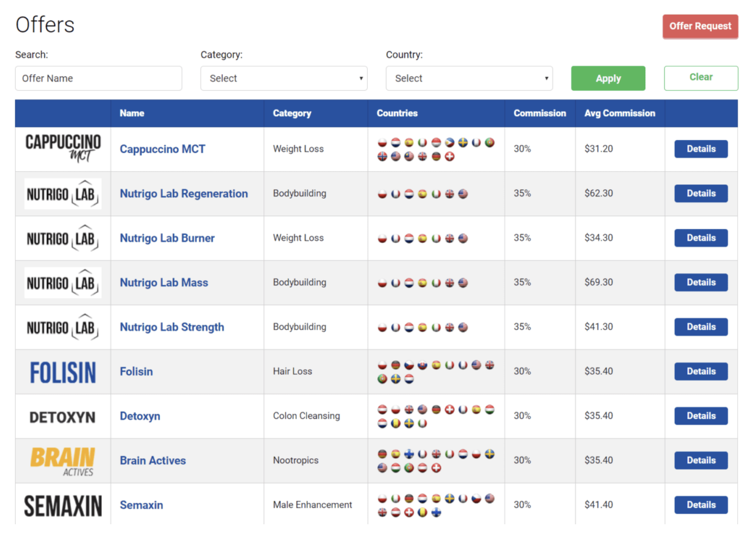
Unlocking the potential of affiliate marketing in the Australian health sector is the focus of this guide. We’ll delve into the best health affiliate programs available, offering a deep dive into their benefits, considerations, and strategies for success.

This comprehensive resource will help you navigate the complexities of choosing the right affiliate program for your needs, from supplements and fitness equipment to health insurance, and evaluate your performance effectively. We will also cover crucial aspects such as legal and ethical considerations, and successful case studies.

Introduction to Health Affiliate Programs in Australia

Affiliate marketing is a popular way for businesses in the Australian health sector to reach a wider audience and drive sales. Health-related products and services, from supplements and fitness equipment to health insurance, benefit from the reach and expertise of affiliate marketers. This approach leverages the existing online presence and networks of affiliates to promote these offerings.This approach is particularly effective in Australia, where consumers are increasingly turning to online resources for health information and purchasing decisions.

Affiliate programs offer a mutually beneficial relationship, enabling health businesses to tap into a pre-existing customer base while rewarding affiliates for their efforts.

Benefits of Joining a Health Affiliate Program

Affiliate programs provide numerous advantages for health professionals, businesses, and consumers. For affiliates, it offers an opportunity to earn passive income through promoting products and services aligned with their expertise or interests. They can leverage their existing audience and credibility to earn commissions on sales generated through their referrals.

Key Considerations for Choosing a Health Affiliate Program

Several factors are crucial when evaluating potential affiliate programs. The commission structure, the level of support provided by the program administrators, and the alignment of the program with the affiliate’s target audience are all vital considerations. Additionally, understanding the reputation and legitimacy of the health products or services being promoted is important.

Common Types of Health Affiliate Programs in Australia

Affiliate programs cater to a wide range of health needs and interests. These programs often focus on supplements, fitness equipment, health insurance, and other related areas. The availability of these programs varies depending on the specific product or service.

Comparison of Health Affiliate Programs in Australia

Program Type Commission Structure Required Qualifications Typical Audience
Health Supplements Typically tiered commission structure, ranging from a percentage of sale to flat fees, based on the volume of sales. Often no specific qualifications required, but knowledge of the product line is advantageous. Individuals interested in health and wellness, those looking for dietary supplements, and consumers interested in natural remedies.
Fitness Equipment Commission is usually a percentage of the sale price. Some programs offer tiered commissions based on sales volume. Some programs may require knowledge of fitness or exercise; others may not. Individuals focused on fitness, athletes, and people seeking to improve their physical well-being.
Health Insurance Commission structure varies. Could be a fixed amount per sale or a percentage of the premium. In some cases, financial planning or health insurance qualifications might be beneficial. People seeking health insurance plans, those interested in protecting their health, and individuals looking for cost-effective options.

Top Health Affiliate Programs in Australia

Navigating the Australian health affiliate market can be rewarding, but choosing the right programs is crucial for success. Understanding the nuances of commission structures, payment methods, and target demographics can significantly impact your earning potential. This section explores some of the most popular options available, highlighting their strengths and weaknesses.The Australian health and wellness sector is booming, creating a vibrant environment for affiliate marketers.

Affiliate programs in this space offer various opportunities, from promoting nutritional supplements to fitness equipment and health coaching services. However, each program has its own unique characteristics, and a thorough evaluation is essential to maximize your returns.

Popular Health Affiliate Programs

Several programs stand out in the Australian health market, each catering to different niches and attracting varying customer demographics. Examining these programs’ features will help you determine which aligns best with your marketing strategy.

  • NutriFit Australia: This program focuses on nutritional supplements and healthy eating plans. It’s a popular choice for affiliates targeting customers interested in dietary improvements and weight management. A strength lies in its well-defined commission structure and established customer base. A potential weakness could be the competition from other supplement-focused programs.
  • ActiveLife Fitness: This program targets fitness enthusiasts and those looking for exercise equipment, training programs, and health apps. A significant advantage is the program’s strong ties with gyms and fitness centres. A potential challenge could be maintaining engagement with a diverse customer base given the dynamic nature of the fitness market.
  • WellnessCoach Australia: This program is geared towards health coaches, personal trainers, and nutritionists seeking to expand their reach. Its strengths lie in its ability to attract a niche customer base, offering commission rates specifically tailored to the services provided. A possible disadvantage is the higher qualification requirement for affiliates, potentially limiting the pool of participants.
  • HealthyStart Kids: This program focuses on promoting products and services related to children’s health and wellness. It targets parents and guardians, offering a unique opportunity for affiliates focused on family-oriented products. A potential limitation might be the narrower scope compared to broader health programs.
  • Wellbeing Hub: This program is a multi-faceted platform covering a range of health topics, from mental well-being to holistic wellness. It offers a broad range of products and services, attracting a wide customer base. The broad range of offerings might dilute the focus for certain affiliates.

Commission Structures and Payment Methods

Understanding the financial aspects of each program is essential. Commission structures vary widely, and payment methods influence the overall affiliate experience.

Program Name Commission Rate (Example) Typical Customer Demographics Payment Method(s)
NutriFit Australia 5-10% Individuals seeking dietary improvements, weight management solutions Direct deposit, PayPal
ActiveLife Fitness 7-12% Fitness enthusiasts, gym-goers Direct deposit, check
WellnessCoach Australia 15-25% (variable based on service) Individuals seeking personalized health coaching Direct deposit, Stripe
HealthyStart Kids 8-15% Parents and guardians concerned with children’s health Direct deposit, PayPal
Wellbeing Hub 6-10% Individuals seeking holistic health solutions Direct deposit, wire transfer

Note: Commission rates and payment methods are examples and may vary. It’s crucial to check the specific program terms and conditions for precise details.

Average Earnings Potential

Predicting precise earnings is difficult due to factors like affiliate skill, marketing efforts, and customer engagement. However, some general trends can be observed. Affiliates with strong marketing skills and a well-defined target audience tend to achieve higher earnings in any program.

“High-performing affiliates often see earnings ranging from several hundred to several thousand dollars per month, though this can fluctuate significantly.”

Evaluating Health Affiliate Program Performance

Assessing the effectiveness of a health affiliate program requires a systematic approach. Understanding key metrics and tracking performance indicators is crucial for identifying successful strategies and optimizing returns. This analysis allows program administrators to fine-tune their approach, maximizing affiliate engagement and driving sales.Analyzing affiliate program performance is not just about numbers; it’s about understanding the ‘why’ behind the data.

This allows for a more strategic and targeted approach to improving performance and achieving better outcomes. Tracking key metrics helps pinpoint strengths and weaknesses in the program’s structure and identify areas needing adjustment.

Key Performance Indicators (KPIs) for Health Affiliate Programs

Understanding and tracking KPIs is essential for measuring the success of any affiliate program. KPIs provide a quantitative measure of performance, enabling a comprehensive understanding of the program’s effectiveness. Effective tracking helps identify trends and areas needing improvement.

  • Conversion Rate: The percentage of visitors who complete a desired action, such as making a purchase. High conversion rates indicate effective marketing strategies and strong customer engagement.
  • Customer Acquisition Cost (CAC): The total cost incurred to acquire a new customer through the affiliate program. A low CAC suggests a cost-effective marketing approach.
  • Average Order Value (AOV): The average amount spent per order. A higher AOV signifies successful upselling or cross-selling strategies.
  • Click-Through Rate (CTR): The percentage of users who click on an affiliate link after viewing it. High CTR indicates compelling marketing materials.
  • Return on Investment (ROI): The profit generated relative to the cost invested in the affiliate program. A high ROI demonstrates the program’s profitability.
  • Affiliate Engagement: Tracking the level of participation and activity of affiliates is vital. High engagement indicates strong affiliate motivation and commitment.

Analyzing Conversion Rates and Customer Acquisition Costs

Conversion rates and CAC are fundamental metrics for assessing program success. Understanding these metrics allows for strategic adjustments to optimize performance.Conversion rates are calculated by dividing the number of conversions (e.g., purchases) by the total number of visitors. A higher conversion rate generally indicates more effective marketing efforts. This metric can be segmented to identify specific aspects of the program driving conversions, such as particular affiliate marketing campaigns or product offerings.

A deep dive into the data often reveals insights into user behavior and preferences, leading to targeted improvements in the marketing funnel.CAC is calculated by dividing the total cost of marketing efforts (including affiliate commissions) by the number of customers acquired. A lower CAC suggests a more cost-effective marketing approach. Analysis of CAC can pinpoint areas where costs can be reduced without sacrificing conversions.

Identifying Successful Strategies Employed by Top Affiliates

Successful health affiliates often leverage a multifaceted approach to marketing. A combination of strategies frequently yields positive results. Identifying these strategies can offer valuable insights for program administrators and other affiliates.

  • High-Quality Content Creation: Creating valuable, informative content related to health and wellness can attract a targeted audience. Top affiliates often publish engaging blog posts, articles, and videos, building credibility and trust.
  • Strategic Partnerships: Collaborating with complementary businesses or influencers can expand reach and attract new customers. This can involve cross-promotional efforts or joint ventures.
  • Targeted Marketing Campaigns: Tailoring marketing messages to specific audience segments can improve engagement and conversion rates. Identifying and targeting the right audience is a key element of success.
  • Strong Engagement with the Community: Engaging with followers and potential customers on social media and other platforms can foster a sense of community and build trust.

Summary of Common KPIs

KPI Importance
Conversion Rate Measures effectiveness of marketing efforts and customer engagement
Customer Acquisition Cost (CAC) Indicates cost-effectiveness of acquiring new customers
Average Order Value (AOV) Highlights success in upselling/cross-selling strategies
Click-Through Rate (CTR) Evaluates the attractiveness and effectiveness of marketing materials
Return on Investment (ROI) Demonstrates the profitability of the affiliate program
Affiliate Engagement Indicates the level of participation and motivation of affiliates

Amazon Affiliate Program in Australia

The Amazon Associates program is a widely recognized affiliate marketing platform in Australia, offering opportunities for promoting a vast array of products, including health-related items. Understanding how this program functions within the Australian market and comparing it to other health-focused affiliate options is crucial for any marketer looking to generate revenue while promoting well-being.The Amazon Associates program provides a robust infrastructure for health product promotion.

It leverages Amazon’s existing global reach, user base, and trust, offering a significant advantage for affiliates looking to reach a broad audience. However, the specific nuances of the Australian market and the competitive landscape of health-focused affiliate programs should be considered.

Comparison to Other Health-Focused Programs

Different affiliate programs cater to various niches. Direct comparisons between Amazon and other programs focused on health products require considering the program’s target audience, commission structure, and product selection. For instance, some health-specific affiliate programs might offer higher commissions on niche products, while others may have a more curated selection of products tailored to specific health concerns. The choice depends heavily on the affiliate’s marketing strategy and desired product focus.

Advantages of the Amazon Affiliate Program for Health Products

The Amazon Associates program offers several advantages for promoting health-related products in Australia. Its extensive product catalog encompasses a wide range of health and wellness items, from dietary supplements to fitness equipment. This vast selection provides affiliates with numerous options for promoting products aligned with their specific interests or expertise. The established platform also allows for targeted advertising and marketing campaigns.

A key advantage lies in Amazon’s established customer trust and established infrastructure, resulting in high conversion rates.

  • Wide Product Selection: The breadth of health products available on Amazon allows for targeting various niches, from specific dietary needs to fitness equipment. This versatility is a key advantage for affiliates with diverse interests.
  • Established Customer Base: Amazon’s vast customer base, coupled with the inherent trust consumers place in the platform, contributes to higher conversion rates for affiliates promoting health products.
  • Ease of Tracking and Reporting: The program’s robust tracking and reporting tools provide detailed insights into campaign performance, enabling affiliates to optimize their marketing strategies effectively.

Disadvantages of the Amazon Affiliate Program for Health Products

While Amazon offers significant advantages, certain disadvantages need consideration. Competition can be fierce within the program, demanding a focused and well-executed marketing strategy. Additionally, the commission structure can be relatively low compared to some other health-specific affiliate programs. Maintaining a consistent presence and creating engaging content to stand out from competitors is crucial.

  • High Competition: The large number of affiliates promoting products on Amazon can lead to significant competition for visibility and sales conversions.
  • Lower Commissions: Compared to some specialized health affiliate programs, commissions on Amazon may be lower, requiring a larger volume of sales to achieve comparable earnings.
  • Product Overlap: The extensive product catalog can lead to overlap in products promoted by different affiliates, necessitating a unique selling proposition and marketing strategy.

Best Practices for Promoting Health Products

Effective promotion strategies are vital for success in the Amazon affiliate program. Developing compelling product descriptions and targeted marketing campaigns are essential. Highlighting the unique benefits and addressing customer concerns related to health products is critical.

  • Thorough Product Research: Understanding the features, benefits, and target audience of health products is crucial for crafting effective marketing materials.
  • Compelling Content Creation: Crafting engaging content, including product reviews, blog posts, and social media posts, can attract and convert potential customers.
  • Strategic Optimization: Implementing appropriate s in product descriptions and marketing materials can improve visibility and searchability on Amazon.

Types of Health Products Suitable for Promotion

A wide array of health products are suitable for promotion through the Amazon affiliate program. This includes dietary supplements, fitness equipment, health and beauty products, and various other items catering to specific health needs. Careful consideration of target audience and market demand is crucial.

  • Dietary Supplements: Products like vitamins, minerals, and protein powders can be effectively promoted with specific focus on targeted health goals and benefits.
  • Fitness Equipment: Promoting home gym equipment, running gear, or other fitness tools requires demonstrating the value proposition for achieving specific fitness objectives.
  • Health and Beauty Products: Promoting skincare, hair care, or other beauty products aligned with health goals or concerns requires highlighting the unique features and benefits.

Strategies for Promoting Health Affiliate Programs

Promoting health affiliate programs effectively in Australia requires a multifaceted approach that goes beyond basic advertising. It demands a strategy focused on building trust, showcasing value, and fostering long-term relationships with both affiliates and customers. Understanding the Australian market’s health-conscious consumers and the nuances of the affiliate marketing landscape is key to success.Attracting and retaining affiliates, and driving sales for health products, necessitates strategic planning.

This includes crafting compelling content, utilizing social media platforms effectively, and creating engaging landing pages. The following strategies provide a roadmap for achieving these goals.

Attracting and Retaining Affiliates

Building a strong affiliate network is crucial for the success of any health affiliate program. This involves offering attractive commission structures, providing valuable resources, and fostering a supportive community. A well-structured affiliate program with clear guidelines and consistent communication will help attract and retain qualified affiliates. Affiliate marketing success hinges on fostering a strong relationship with the affiliate base.

  • Competitive Compensation: Offering competitive commission rates, tiered structures, and bonus incentives can attract high-performing affiliates. A compelling compensation model, aligning with market standards, is crucial for securing top-tier affiliates.
  • Comprehensive Training and Resources: Providing affiliates with thorough training materials, product knowledge, and marketing tools empowers them to effectively promote the health products. Accessible resources, including training videos, product guides, and marketing templates, can be extremely beneficial for affiliates.
  • Supportive Community: Creating a supportive community for affiliates through forums, webinars, and regular communication helps foster collaboration and shared knowledge. A community platform for affiliates to connect and share ideas is a valuable asset.

Content Marketing Strategies

Content marketing is vital for attracting and engaging health-conscious consumers. Creating valuable, informative, and engaging content establishes credibility and drives organic traffic to affiliate products. This strategy aims to position the affiliate as a trusted source of information, boosting conversions and building brand loyalty.

  • Blog Posts and Articles: Creating informative blog posts and articles on health topics related to the affiliate products can attract a targeted audience. Sharing practical advice and expert insights positions the affiliate as a knowledgeable resource.
  • Infographics and Videos: Visually appealing infographics and educational videos can make complex health information easily digestible and shareable. This content format is highly effective in attracting a broad audience and enhancing brand awareness.
  • Guest Posting and Collaboration: Collaborating with health-focused websites and blogs allows the affiliate to reach a wider audience and build credibility. Guest posting on relevant platforms can significantly expand the reach and visibility of the affiliate.

Social Media Strategies

Social media platforms offer a powerful channel for reaching health-conscious consumers and driving sales. A well-defined social media strategy, including content creation, community engagement, and targeted advertising, can be crucial for affiliate success. Leveraging social media’s reach can significantly enhance brand awareness and drive sales.

  • Targeted Advertising Campaigns: Utilize social media advertising platforms to reach specific demographics interested in health and wellness. Targeting relevant audiences through social media advertising campaigns can maximize the reach of health affiliate programs.
  • Engaging Content: Share valuable content, including health tips, product reviews, and testimonials. Engaging content, such as behind-the-scenes glimpses or customer success stories, will encourage interaction and boost brand loyalty.
  • Influencer Marketing: Partner with health and wellness influencers to promote affiliate products to their engaged audience. Collaborating with relevant influencers can amplify the reach and credibility of the affiliate’s message.

High-Converting Landing Pages

High-converting landing pages are essential for driving sales. These pages should be designed to clearly communicate the value proposition of the health product and guide users through the purchase process. An optimized landing page, focusing on user experience, can significantly impact conversion rates.

  • Clear Value Proposition: Highlight the unique benefits of the product in a clear and concise manner. Clearly defining the value proposition of the product is crucial for a high-converting landing page.
  • Compelling Calls to Action: Use strong calls to action that encourage visitors to make a purchase. High-impact calls to action, coupled with compelling visuals, can significantly boost conversion rates.
  • Mobile Optimization: Ensure the landing page is optimized for mobile devices to provide a seamless user experience. Ensuring a positive user experience on mobile devices is crucial for optimal performance.

Marketing Channel Effectiveness

The effectiveness of different marketing channels can vary depending on the specific target audience and the nature of the health product. Careful consideration of each channel’s strengths and limitations is essential for a successful affiliate program. Analyzing the return on investment for each channel is vital to ensure the program’s efficiency.

Marketing Channel Effectiveness Pros Cons
Social Media Marketing High Targeted advertising, high engagement Requires consistent content creation, potential for algorithm changes
Content Marketing Medium to High Builds trust, establishes credibility Requires time and effort for content creation
Email Marketing Medium Direct communication with subscribers Requires building an email list
Paid Advertising High Rapid reach to targeted audience Can be expensive, requires careful targeting
Influencer Marketing High Leverages influencer’s credibility Requires careful selection of influencers

Case Studies of Successful Australian Health Affiliates

5 Health Affiliate Programs With Excellent Commissions - 3HUNDRD

Australian health affiliate marketing boasts a thriving community of successful individuals. These individuals have leveraged various strategies to promote health products and services, generating substantial income and building strong online presence. This section delves into specific case studies, showcasing their strategies, achievements, and challenges.

Examples of Successful Australian Health Affiliates

Several Australian affiliates have carved out successful niches within the health sector. These affiliates have demonstrated expertise in promoting specific health products and services, from supplements to fitness programs. Their success hinges on a combination of factors including audience targeting, product knowledge, and effective marketing approaches.

Marketing Approaches of Successful Affiliates

Successful Australian health affiliates employ diverse marketing strategies, including creating informative blog posts, producing high-quality video content, and crafting engaging social media campaigns. A key element is their understanding of their target audience’s needs and pain points. They tailor their messaging to resonate with specific health concerns, like weight management, stress reduction, or boosting energy levels. Affiliates also often leverage their existing online platforms, such as YouTube channels or websites, to drive traffic and build credibility.

Success Metrics and Achievements

Quantitative data provides a clear picture of affiliate success. Key metrics include conversion rates, average order values, and recurring revenue. Successful affiliates often report high conversion rates, indicating their marketing strategies effectively resonate with their audience. For example, an affiliate specializing in weight loss supplements might see a 10-15% conversion rate on their targeted landing pages, leading to substantial sales.

Tracking these metrics helps affiliates optimize their strategies and maintain consistent growth.

Challenges Faced and Overcoming Them

Affiliates often encounter hurdles in the dynamic online marketplace. Competition, fluctuating market trends, and the need to stay ahead of the curve are just a few of these challenges. Successful affiliates overcome these challenges by continuously learning, adapting to new trends, and maintaining a strong understanding of their niche. For example, they might respond to negative reviews by offering personalized support or by incorporating new product features.

The key is to stay proactive and responsive to changing market conditions.

Case Study Template

A structured approach to documenting affiliate success is essential for understanding and replicating strategies. This template provides a framework for analyzing successful affiliate campaigns.

Section Description
Background Details about the affiliate, their niche, and the target audience.
Strategies Specific marketing tactics employed, including content creation, social media promotion, and advertising.
Results Key metrics like conversion rates, average order values, and revenue generated.
Lessons Learned Insights gained from the campaign, including strategies that worked well and areas for improvement.

Ultimate Conclusion

In conclusion, the Australian health affiliate market presents numerous opportunities for those seeking to monetize their passion for health and wellness. By carefully evaluating available programs, understanding performance metrics, and adhering to ethical guidelines, you can establish a successful and sustainable affiliate business.

Essential FAQs

What are the typical commission structures for health affiliate programs in Australia?

Commission structures vary significantly depending on the program. Some offer fixed percentages, while others might use tiered systems based on sales volume or customer acquisition. It’s crucial to review the specific terms and conditions of each program.

What are some common KPIs to track for health affiliate program success?

Key Performance Indicators (KPIs) include conversion rates, customer acquisition cost, and average order value. Tracking these metrics helps identify areas for improvement and assess overall program effectiveness.

What legal considerations should I be aware of when promoting health products through affiliate marketing in Australia?

Transparency and disclosure are paramount. Always clearly disclose your affiliate relationship and avoid making misleading claims. Ensure compliance with Australian regulations regarding health product promotion.

How can I choose the best health affiliate program for my niche?

Consider your target audience, the types of health products you want to promote, and the commission structures offered by different programs. A thorough comparison of various programs is crucial.